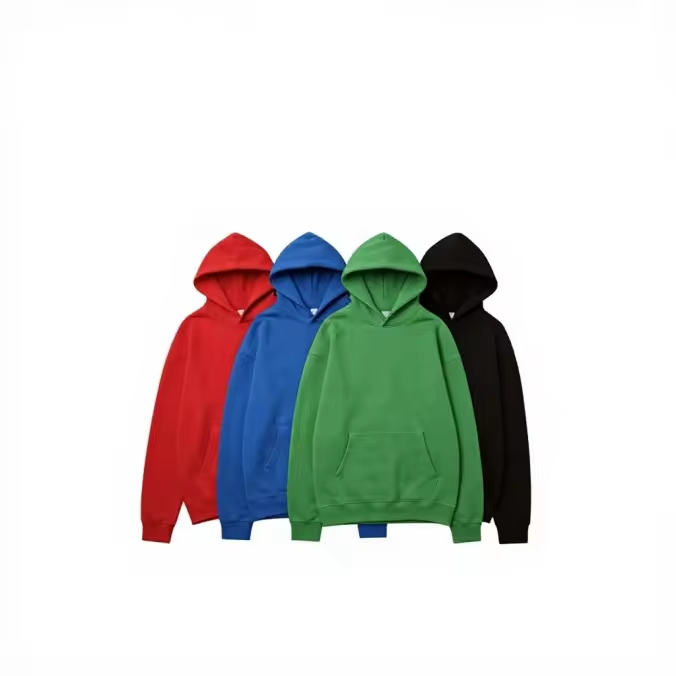
Pullover hoodie
Organic cotton and recycled polyester pullover hoodie
Heavyweight fleece form with one image-backed color, five sizes, three price tiers and supplier material wording.
View product detailsMaterial-led apparel programs
Compare recycled clothing and recycled apparel across five hoodies, T-shirts and jackets by garment form, captured fiber wording, customization fields and the evidence needed for any recycled, organic or bamboo claim.
Material claim structure
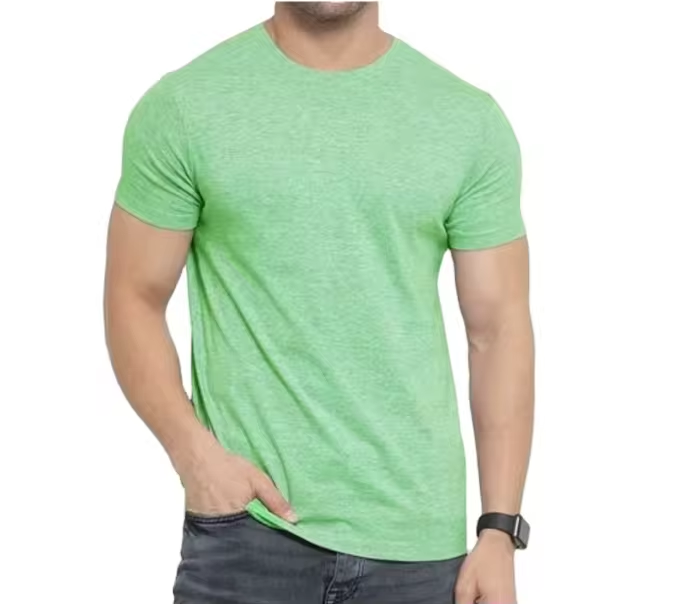
Product images can show garment form, color, pockets, closure and decoration area. They cannot independently prove fiber percentages, recycled origin, organic status or certification coverage.
Visible product data
Review garment construction, color, fit direction and source-listed options.
Documented material data
Confirm composition, claim scope and certification against the selected production material.
Five material-led apparel models
The authorized supplier category contains five products, so all five are included. Open each page for galleries, price tiers, image-backed colors, sizes, attributes, detail images, FAQ and related models.
Recycled polyester clothing and recycled fabric clothing claims must follow the quoted material, composition records and any applicable order-level evidence.
Pullover hoodie
Heavyweight fleece form with one image-backed color, five sizes, three price tiers and supplier material wording.
View product details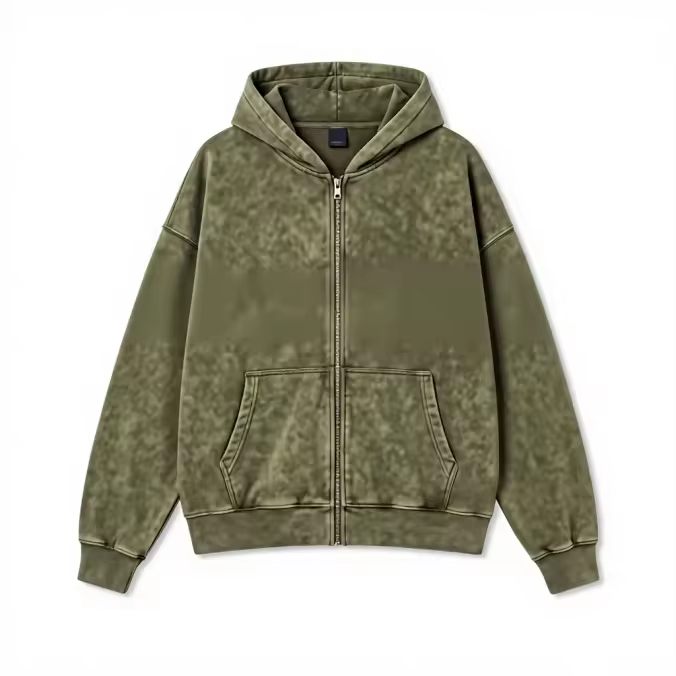
Zip-up hoodie
Zip-up heavyweight fleece form with captured Brown option, five sizes, three price tiers and product attributes.
View product details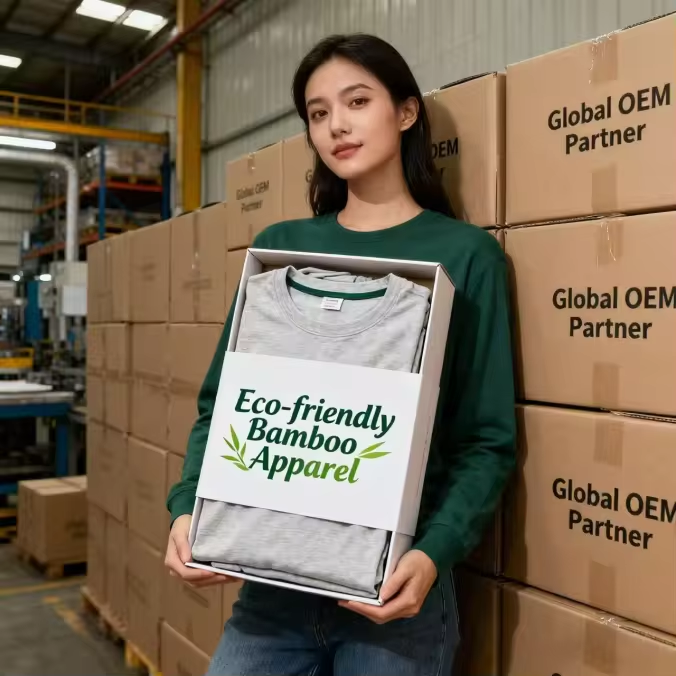
Long-sleeve T-shirt
Plant-fiber title wording, one image-backed color, eight sizes and custom-logo fields without an assumed recycled-content claim.
View product detailsRecycled blend T-shirt
Supplier title states 60% recycled cotton and 40% polyester, with six image-backed colors, seven sizes and four price tiers.
View product details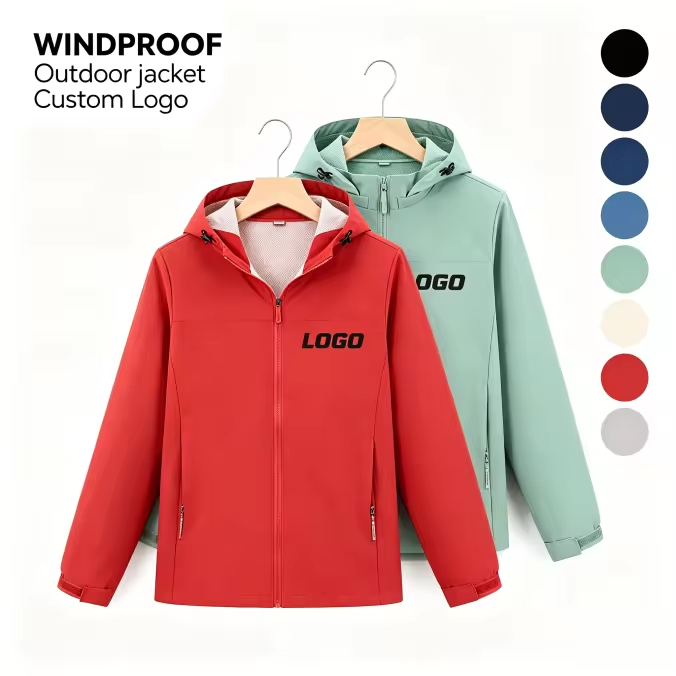
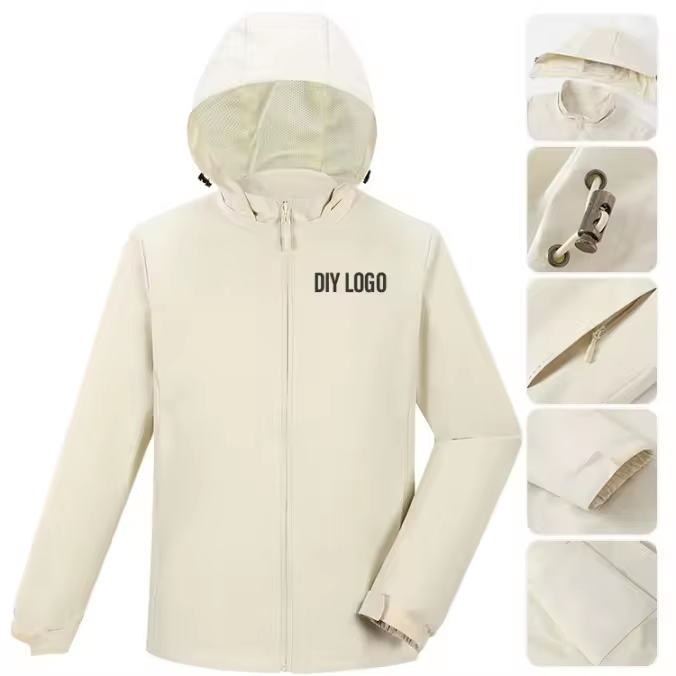
Hooded outdoor jacket
Mesh-lined jacket with seven image-backed colors, seven sizes, four price tiers and customization fields.
View product detailsFor team, volunteer, campaign and event planning, use the sustainable corporate clothing application guide.
Before fixing a material-led specification, use the guide to clothes made from recycled material to separate fiber wording, blend percentages and garment requirements. Compare recycled cotton and recycled polyester through the exact fabric and garment brief, then apply the recycled-content claims evidence checklist to certificate, transaction, SKU and publication wording.
Program fit
Define the garment form, wearer and use, fiber composition, decoration, labels, packaging and evidence needs before choosing a model. This keeps visible product features separate from claims that require order-level documents.
01 / Retail and private label
Confirm the garment silhouette, fabric hand feel, color range, trims, labels, packaging and permitted customer-facing material wording.
02 / Team and event apparel
Plan the size curve, team colors, logo placement, delivery schedule and reorder controls around an approved production sample.
03 / Bulk blanks and decoration
Review fabric weight, surface, shrinkage expectations and suitability for printing or embroidery before confirming the blank garment.
04 / Outdoor and layered programs
Check lining, hood, closure, pocket and layering requirements alongside the selected fabric and required performance evidence.
Before sampling
The five pages show different hoodie, T-shirt and jacket forms, material wording, colors, sizes and customization fields. The selected fabric and permitted claim language must be fixed in the quotation and approved sample.
Define hoodie, T-shirt or jacket form, intended layering, fit, activity and target program.
Confirm the exact percentages and whether wording applies to the fabric, trim, filling or complete garment.
Review weight, knit or weave, hand feel, stretch, color, shrinkage and care requirements against the sample.
Confirm print, embroidery, logo position, private label, care label, hangtag and packaging requirements.
Separate recycled, organic, bamboo and general sustainability wording instead of treating them as interchangeable claims.
Match composition, GRS or other certification wording to the selected material, transaction scope and valid documents.
Buyer questions
The answers separate supplier wording from confirmed composition, certification scope and order-level evidence.
No. Category placement and title wording are sourcing references. The selected fiber composition, recycled percentage, certificate scope and order-level evidence must be confirmed before a public claim is approved.
No automatic range-wide claim is made. Four titles include recycled polyester or recycled cotton wording; the bamboo-cotton long-sleeve T-shirt is included because the supplier placed it in this group, but its captured title does not state recycled content.
Yes. Each captured listing exposes at least one image-backed color and a size set. The detail pages show the available source options, while final color, grading and size charts remain subject to sample approval.
Share the garment form, quantity, target market, fiber composition, fabric weight and hand, color and sizes, decoration, labels, packaging and the documents required for each claim.
Have a material-led apparel brief?
Share the garment form, quantity, target market, composition, fabric requirements, colors and sizes, decoration, labels, packaging and required documents.
Factory and evidence
Use the manufacturing record to review cutting, sewing, finishing and packing context. Use the testing library to inspect sample-specific fabric and garment reports without treating them as proof of recycled, organic or bamboo content for a different order.
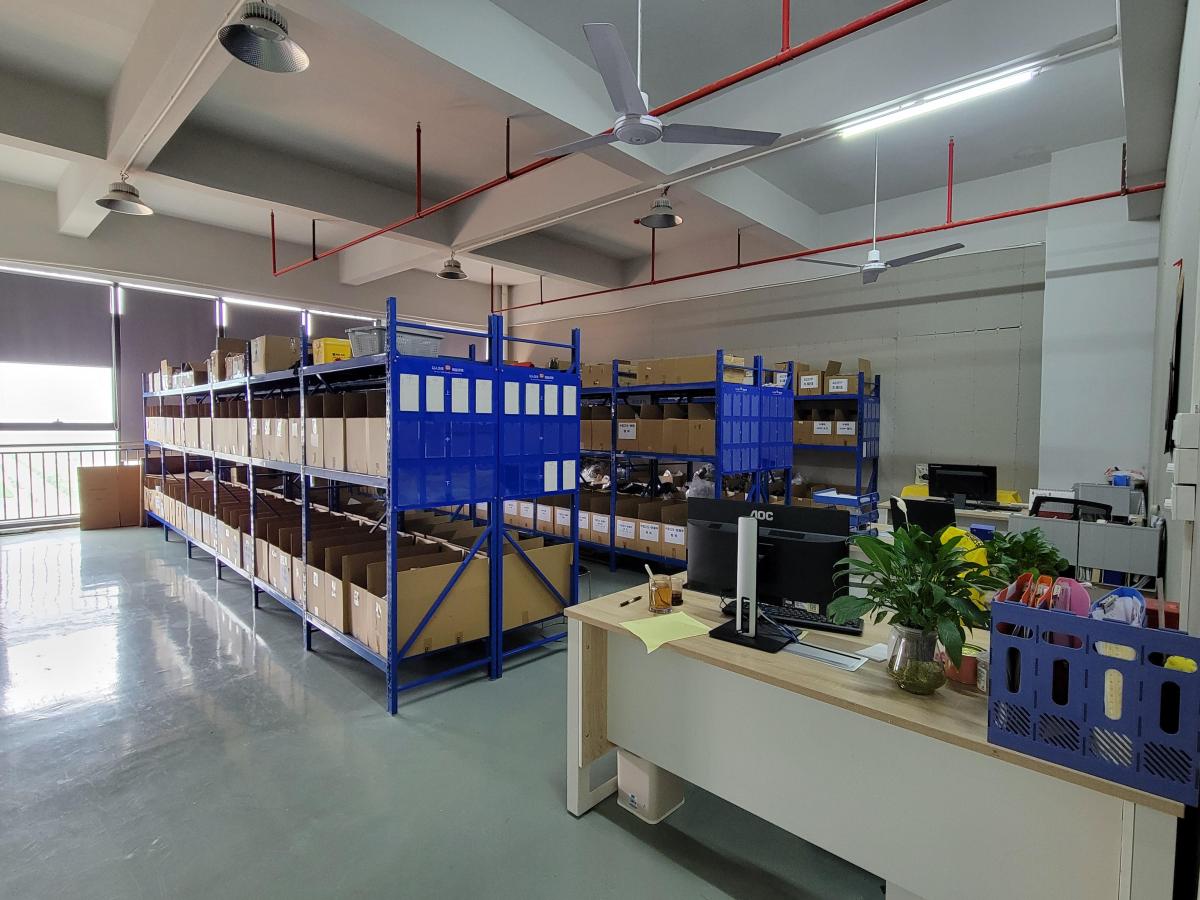
Manufacturing environment
See the supplied production environment and the workflow checkpoints that support an approved garment program.
Explore manufacturing →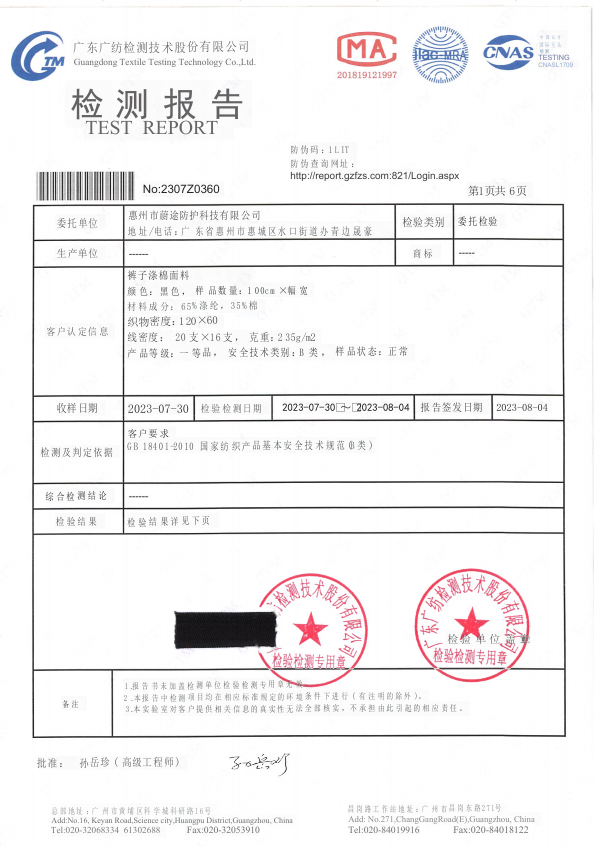
Testing and document review
The quoted production material still needs its own composition, traceability and applicable certification evidence.
Review testing records →The report library is an evidence-review resource, not a range-wide certification wall.
We use only necessary browser storage to remember privacy preferences and support core site functions.