01 / Corporate teams
Role, season, uniform consistency and repeat ordering.
Define the garment, composition claim, decoration, labels, packaging and approval owner before sampling.
Application guide · corporate and event programs
Organize sustainable corporate apparel for teams and eco friendly corporate clothing programs around garment form, size range, artwork, labels, packaging, batch approval and claim-specific material evidence.
No blanket impact claimNo environmental benefit is quantified without evidence.
No range-wide compositionFiber wording stays attached to the selected model.
No invented client caseProgram decisions are presented as a buyer framework.
Four program contexts
Sustainable corporate uniforms for internal teams and recycled clothing for events differ in wear duration, climate, brand control, packing and replenishment. Recycled apparel for corporate events also needs a clear allocation and claim-approval workflow.
01 / Corporate teams
Define the garment, composition claim, decoration, labels, packaging and approval owner before sampling.
02 / Volunteer programs
Define the garment, composition claim, decoration, labels, packaging and approval owner before sampling.
03 / Brand campaigns
Define the garment, composition claim, decoration, labels, packaging and approval owner before sampling.
04 / Events and exhibitions
Define the garment, composition claim, decoration, labels, packaging and approval owner before sampling.
Approval chain
Record the approved sample, tolerance and documents rather than relying on category wording.
Record the approved sample, tolerance and documents rather than relying on category wording.
Record the approved sample, tolerance and documents rather than relying on category wording.
Record the approved sample, tolerance and documents rather than relying on category wording.
Current garment directions
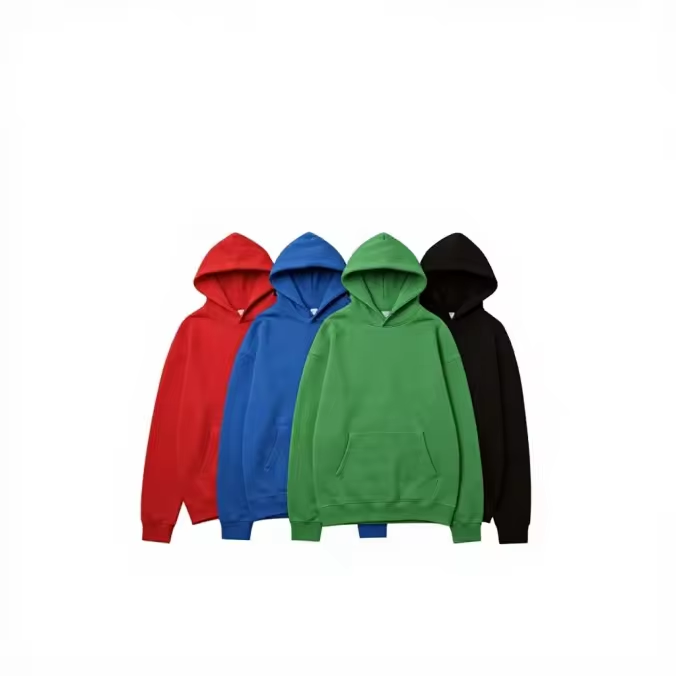
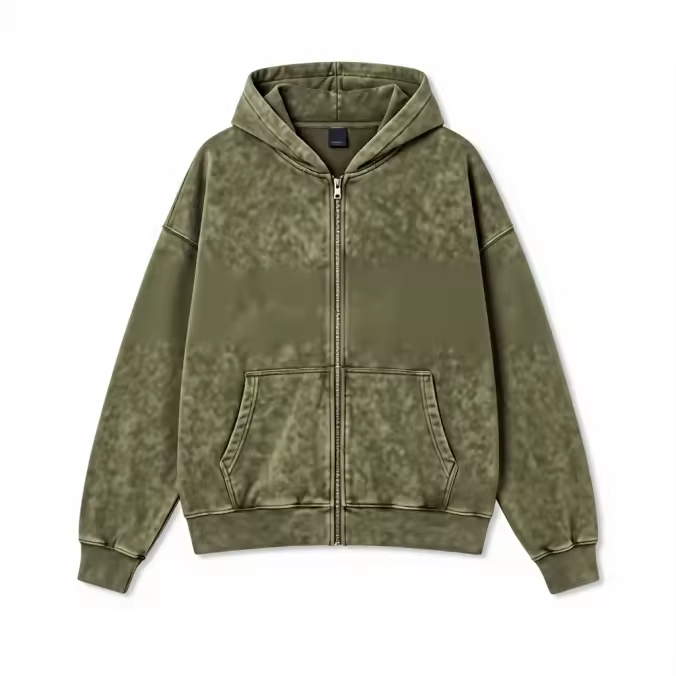
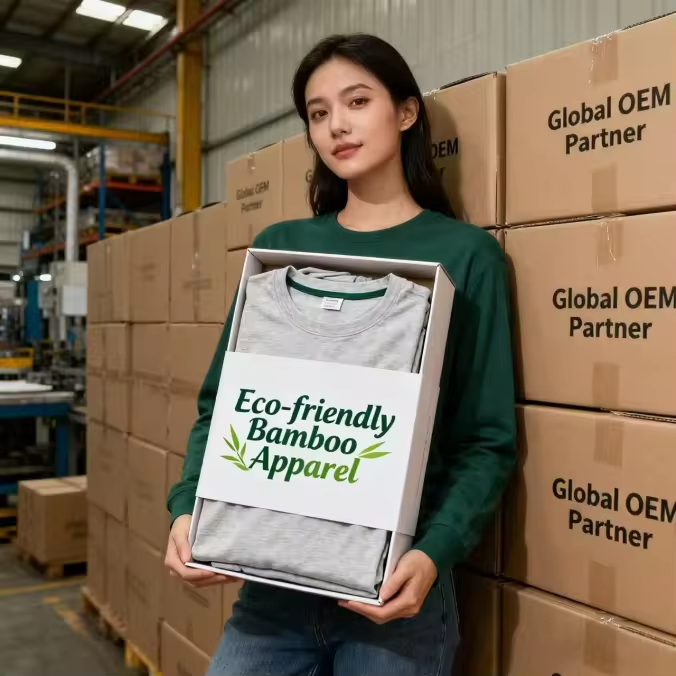
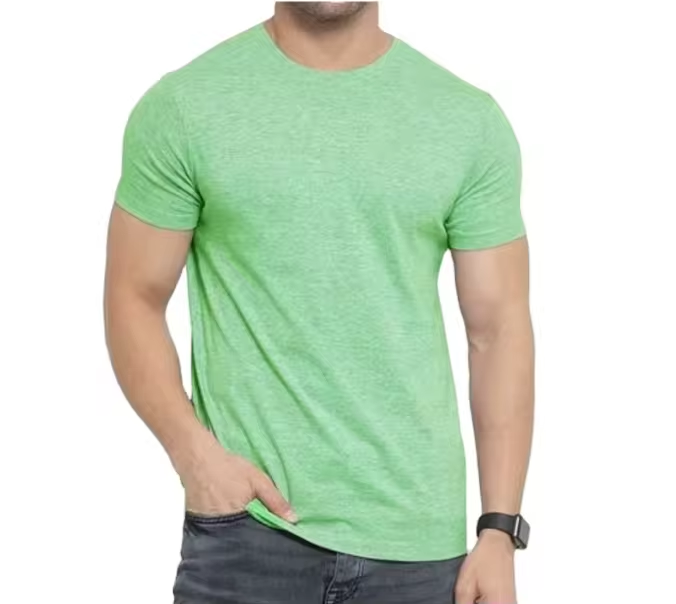
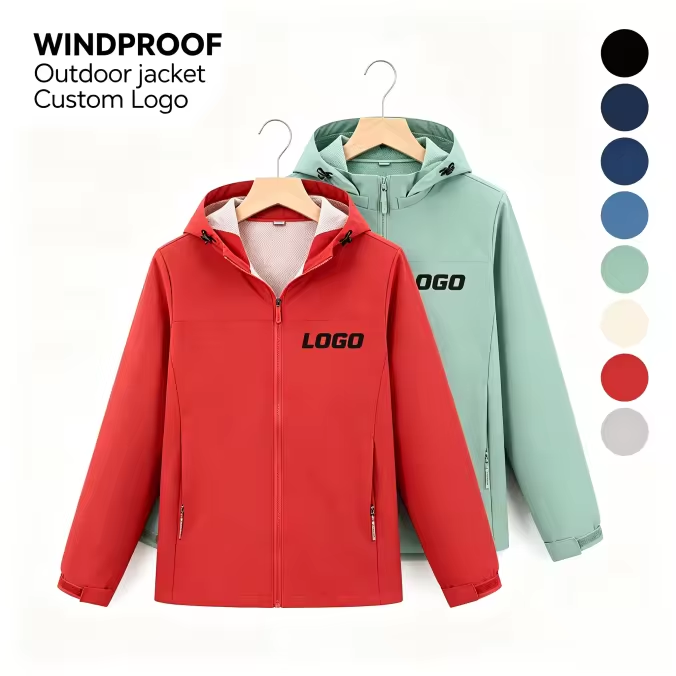
Use the guide to clothes made from recycled material to turn fiber wording and blend percentages into a garment-level brief. Before approving hangtags, packaging or campaigns, apply the recycled-content claims evidence checklist. For artwork and private labels, review custom solutions.
No. Treat title and category wording as a sourcing lead. Confirm exact composition, percentage, material scope and supporting documents before approving a claim.
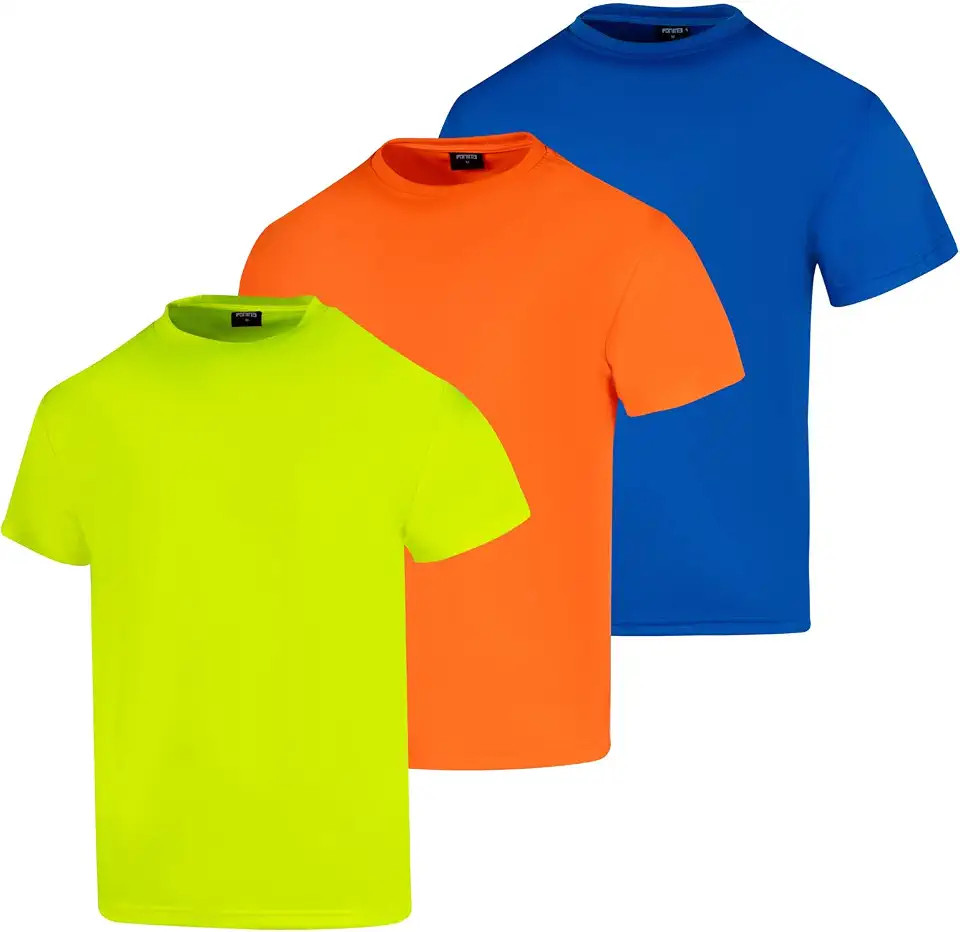
Choose around season, role and use: T-shirts for lighter programs, hoodies for casual layering and jackets for outerwear. Approve fit, artwork and material evidence on the selected sample.
No. Recycled, organic, bamboo and general sustainability wording are different claims. Keep every statement attached to the exact fabric, trim and document scope.
Approve garment form, composition, fabric, color, size grading, artwork, decoration, labels, packaging and the evidence required for public communications.
Build a reviewable brief
Share quantities, product forms, size range, artwork, labels, packaging and the material evidence needed for the selected corporate apparel program.
Factory and evidence
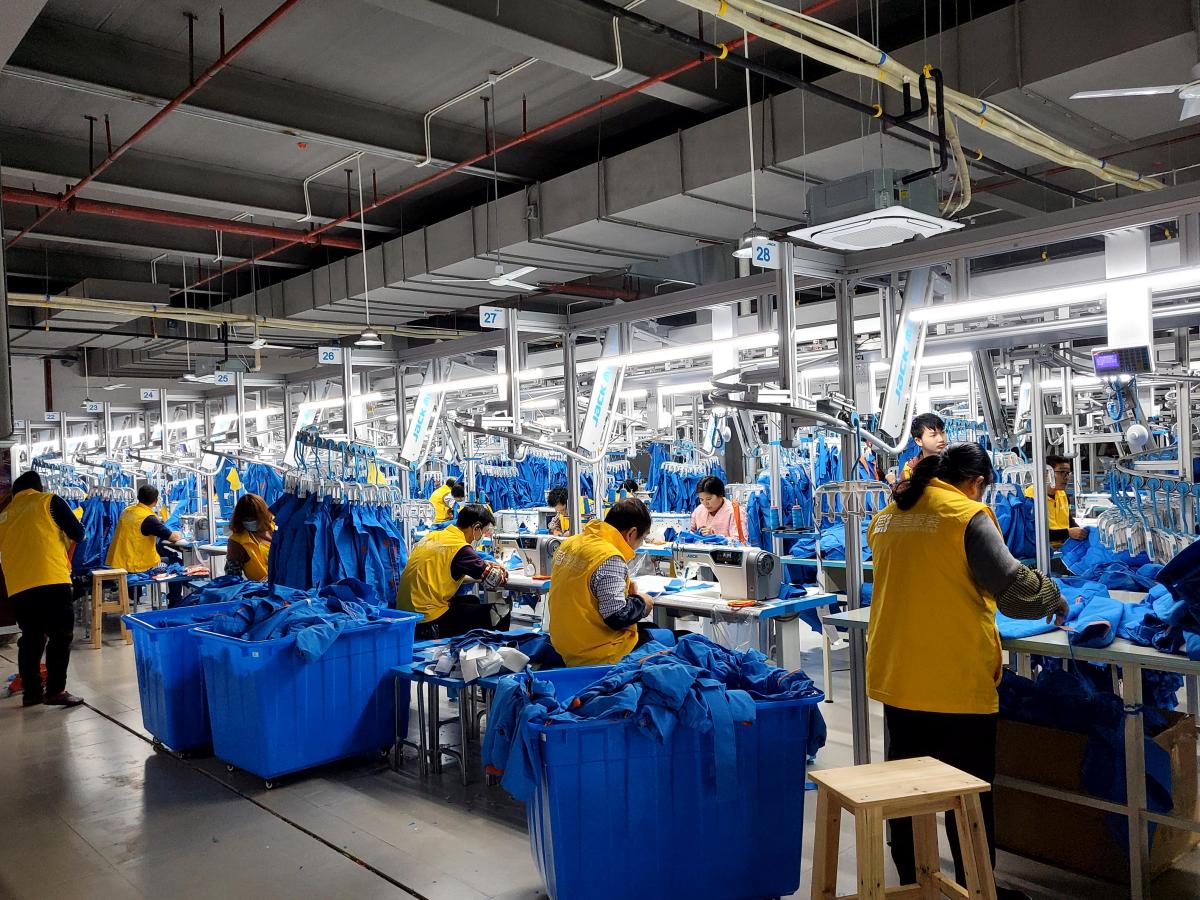
Review the production environment that supports garment sampling, then inspect the original testing records before approving fiber wording, labels, packaging or campaign claims for the selected style.
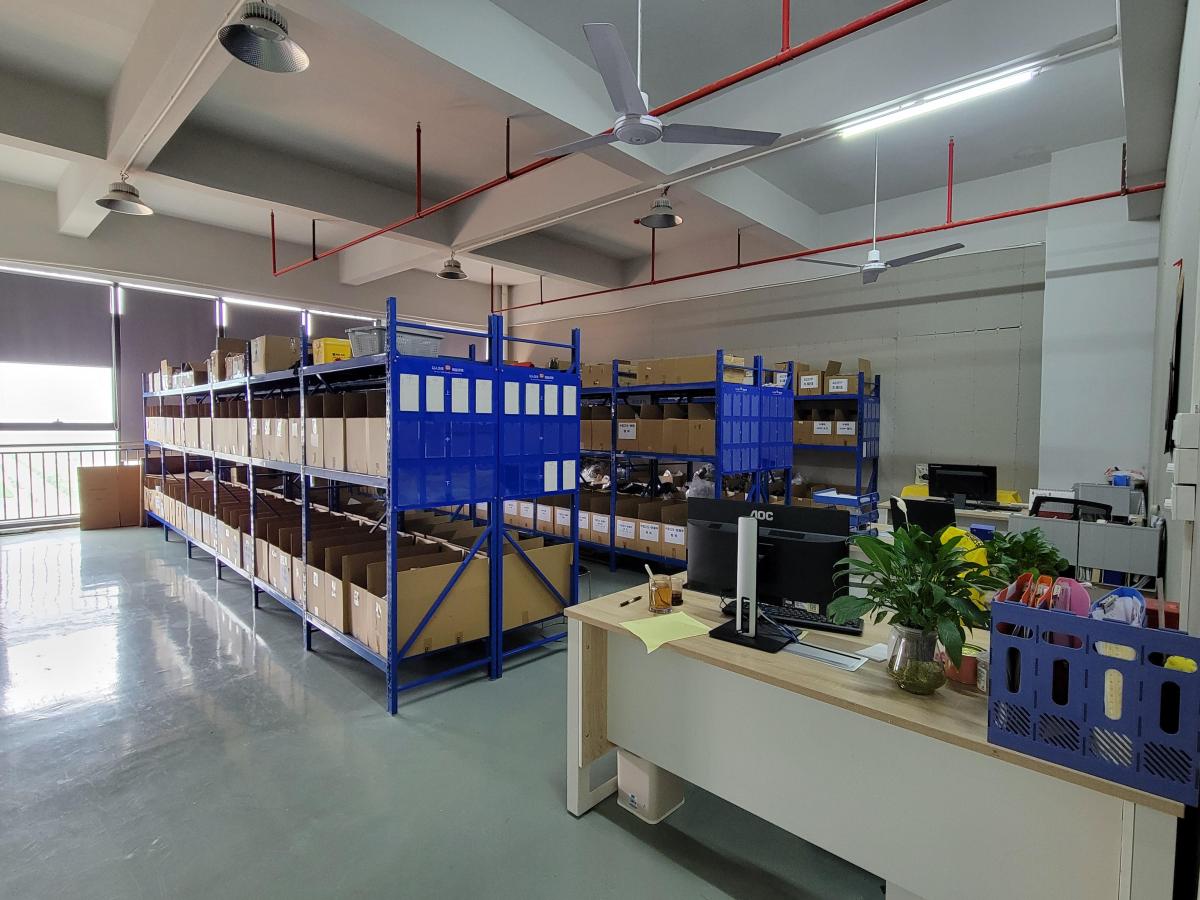
Manufacturing environment
See storage, cutting, sewing, finishing and packing context before aligning the program brief.
Explore manufacturing →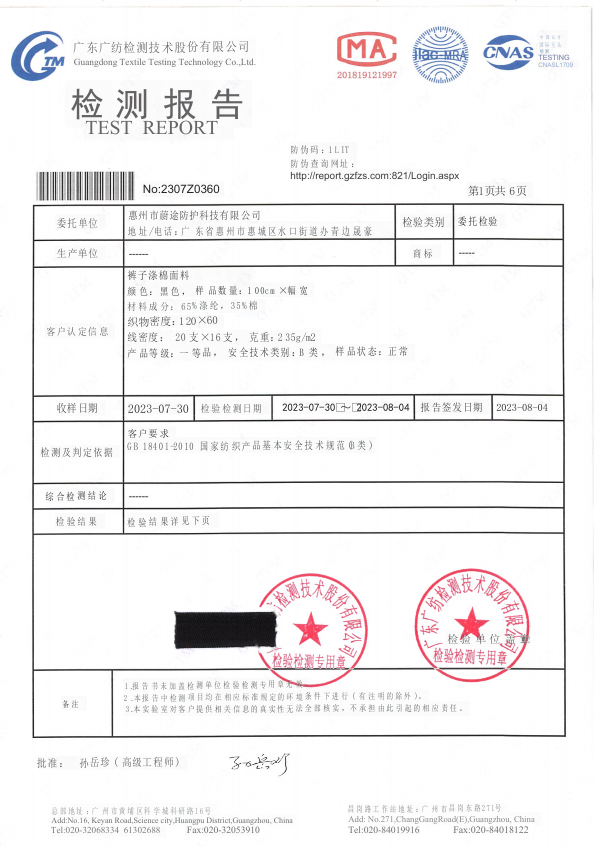
Testing records
A supplied report applies only to its identified sample, method and stated scope; it does not prove recycled content or certify every corporate garment.
Review testing records →We use only necessary browser storage to remember privacy preferences and support core site functions.