B2B material guide
Clothes made from recycled material: specify the garment before the claim
A useful recycled-apparel brief connects the intended material wording to an exact fiber composition, garment specification, sample, labels and evidence package. A product image or category name cannot complete that chain.
Direct answer
Clothes made from recycled material should be specified at product level. Name the fiber, state the percentage, define the complete garment and decoration requirements, then match the sample and proposed marketing words to supporting supply-chain documents.
01 / Material wording
Separate recycled feedstocks from other material claims
The current Pertemba product references include recycled cotton wording, recycled polyester wording and garments whose titles combine recycled wording with organic cotton. One long-sleeve T-shirt uses organic bamboo cotton wording but does not state recycled content in its captured title.
That difference matters. Recycled, organic, bamboo and broad sustainability language should not be merged into one claim. Use the recycled material apparel collection to compare garment forms and captured source wording, then write the intended claim for the selected model as a separate requirement.
02 / Composition
Blend percentages change the garment brief, not only the label
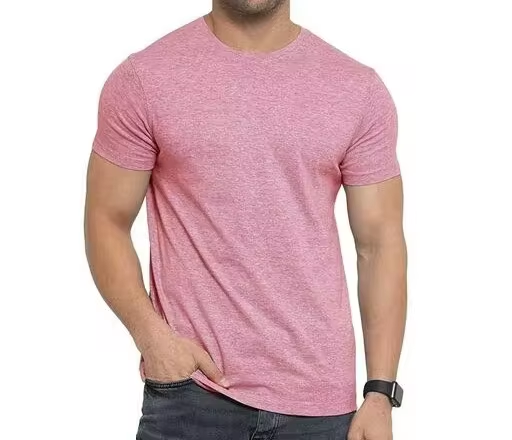
A percentage statement should identify every fiber in the proposed composition. The current 60/40 recycled cotton blend T-shirt is a useful sourcing reference because its supplier title states 60% recycled cotton and 40% polyester. That title is still a starting point, not order-level proof.
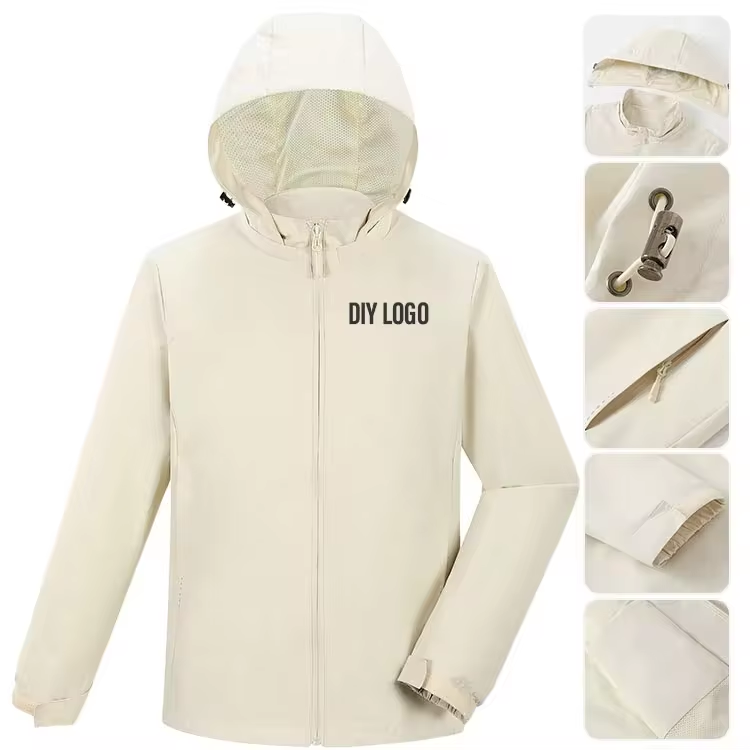
After composition, define fabric weight and hand, knit or weave, stretch, color, shrinkage and care requirements. Garment form adds another layer: compare the organic cotton and recycled polyester pullover hoodie with the recycled polyester hooded outdoor jacket. A fleece hoodie and a mesh-lined jacket cannot share a complete specification merely because both source titles mention recycled polyester.
| Decision layer | Record in the brief | Do not assume |
|---|---|---|
| Fiber claim | Exact recycled fiber name and intended wording | That a category label proves the claim |
| Composition | Percentage of every fiber in the selected material | That one model's blend applies to the range |
| Fabric | Weight, structure, hand, stretch, color and care | That the fiber name defines performance |
| Garment | Form, fit, sizes, trims, decoration and packaging | That a material claim completes the product brief |
03 / Evidence chain
Build traceability from the claim back to the selected material
Start with the exact words the buyer plans to place on a product page, label, hangtag, package or campaign. Connect those words to the approved bill of materials or composition record, the selected fabric and the product sample. Then identify the supplier declarations, transaction records or other traceability documents required for the order.
1. Define the public claim.
Write the proposed fiber and percentage wording without broad environmental conclusions.
2. Freeze the product specification.
Identify garment form, fabric, composition, color, size range, decoration, labels and packaging.
3. Match the sample.
Review the physical sample and its labels against the same specification used for the evidence request.
4. Review the document chain.
Check that each supporting record connects to the selected material, supplier path, order and intended wording.
The recycled apparel corporate and brand program guide applies this chain to teamwear, event, retail and campaign projects where artwork and claim language appear together.
04 / Certification scope
Certification scope and product-level proof answer different questions
A certificate name, source category or optional document field does not prove that Pertemba or every product in a collection holds that certification. A useful review checks the certificate holder, scope, validity and connection to the selected material, transaction and SKU.
Product-level records then connect the approved fiber composition, garment specification, labels and order to the claim. Compare the two material directions in the recycled cotton versus recycled polyester guide, then use the companion guide to recycled content claims evidence for the publication check.
05 / Project brief
Use one checklist for the garment, claim and evidence package
| Brief section | Required information |
|---|---|
| Program | Use, wearer, quantity, target market and delivery destination |
| Garment | T-shirt, hoodie or jacket; fit, colors, sizes, trims and care |
| Material | Exact fiber names, percentages, fabric weight, structure and hand |
| Branding | Artwork, placement, labels, hangtags, packaging and campaign copy |
| Evidence | Intended claim, required records, certificate scope and order connection |
| Approval | Physical sample, specification, label copy and evidence reviewed together |
Include references such as the organic bamboo cotton long-sleeve T-shirt only for the garment and material direction they actually show. Do not convert plant-fiber wording into a recycled-content claim.
Buyer FAQ
Questions before approving recycled-apparel wording
Does a recycled-material product title prove the final garment composition?+−
No. Treat a supplier title as a sourcing lead. Confirm the fiber names, percentages and production specification for the selected material and order before approving public wording.
Can organic, bamboo and recycled be used as interchangeable apparel claims?+−
No. They describe different material or sourcing ideas. Record each intended claim separately and request evidence that matches that exact wording.
What should a buyer approve with a recycled-apparel sample?+−
Approve garment form, fabric hand and weight, fit, color, size chart, decoration, labels, packaging and the proposed material wording. Documentary evidence should be reviewed against the same specification.
Is a certificate name in a source category enough for a B2B claim?+−
No. The certificate holder, scope, validity, material or transaction coverage and connection to the selected SKU still need review before the claim is published.
Prepare the project
Connect material wording to a real garment program
Compare current product references, then place the garment, branding and claim language into one approval flow.
Prepare a reviewable request
Turn the material direction into a product brief
Share garment form, quantity, fiber composition, fabric requirements, colors, sizes, decoration, labels, packaging and the exact claim evidence you need.