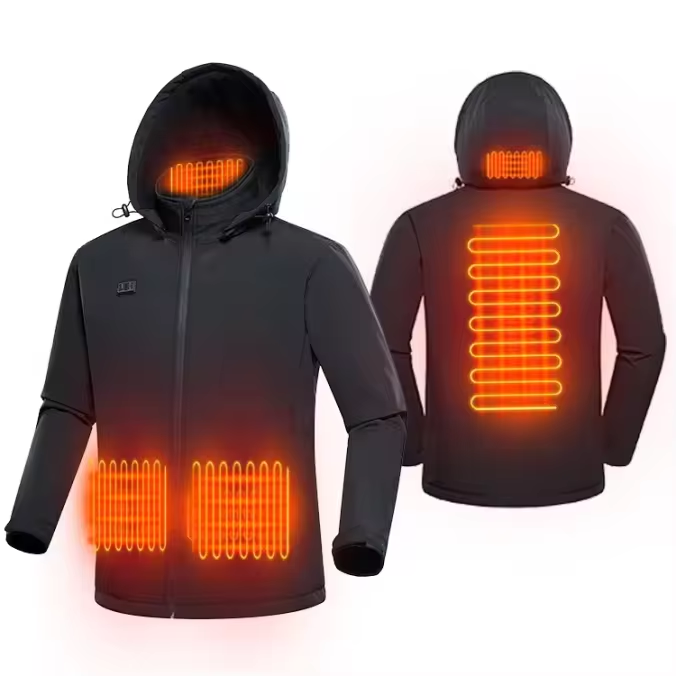
Softshell jacket
Detachable-hood softshell heated jacket
Detachable hood, softshell construction and captured Black option with M–5XL sizing.
View product detailsWearable cold-management systems
Compare heated clothing and heated garments such as vests, jackets, hoodies and shirt-jackets by coverage, heating-zone layout, power package and fit. Voltage, battery inclusion, settings and runtime remain model-specific.
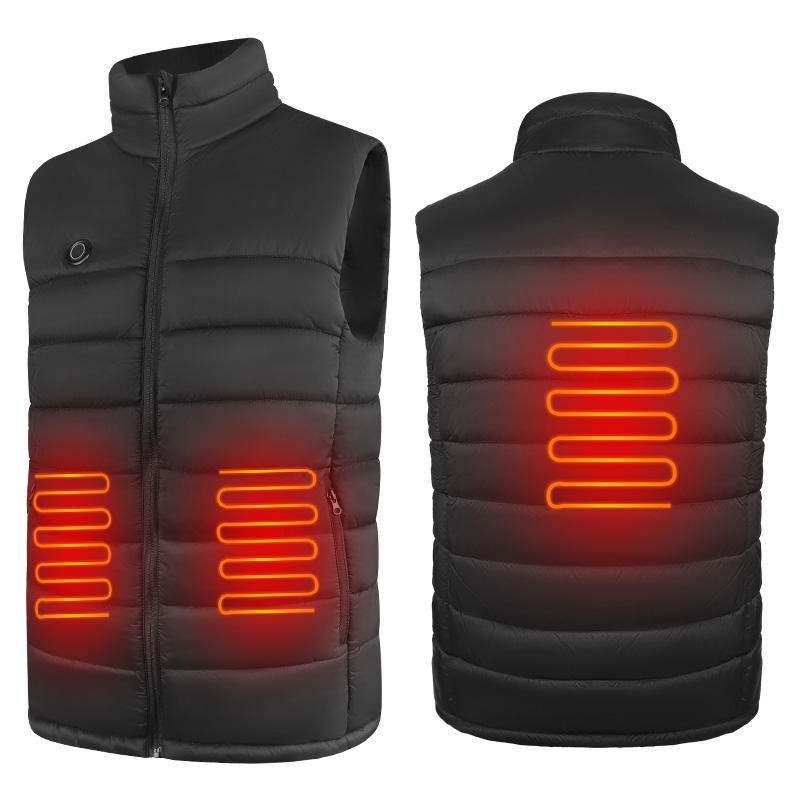
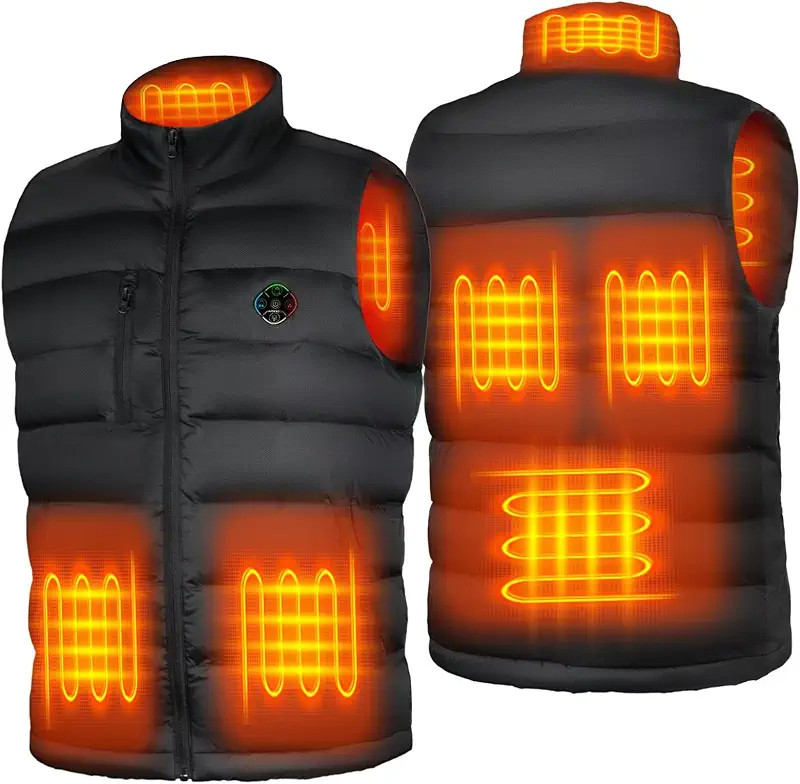
Active warming principle
Approved visuals show front and back heating zones, control buttons and several garment forms. They establish the electric heated clothing direction, but different references use different zone layouts, batteries, voltages, temperature controls and care instructions.
Eight heated apparel models
Open each product page to review its captured gallery, price tiers, color and size options, key attributes, product attributes and supplier detail images before requesting a sample or quotation.
Softshell jacket
Detachable hood, softshell construction and captured Black option with M–5XL sizing.
View product details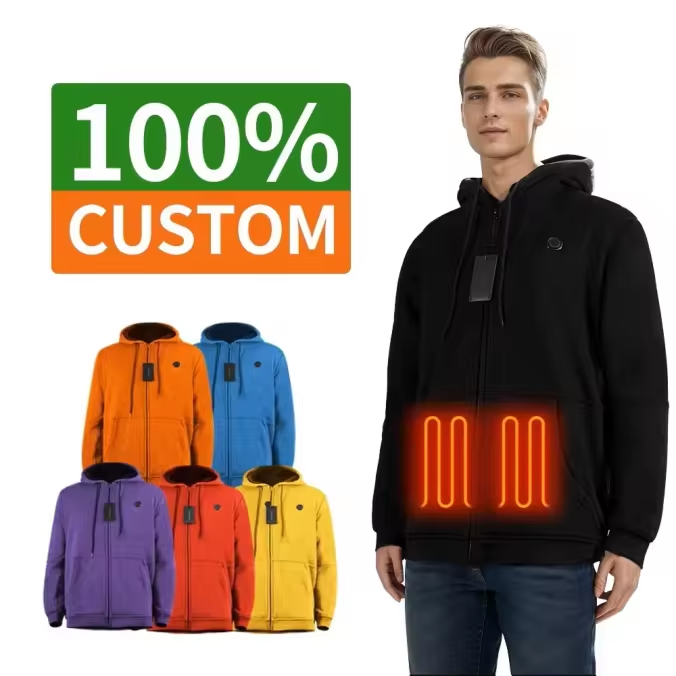
Heated hoodie
Outer cotton and fleece wording with Black and Silver image-backed options.
View product details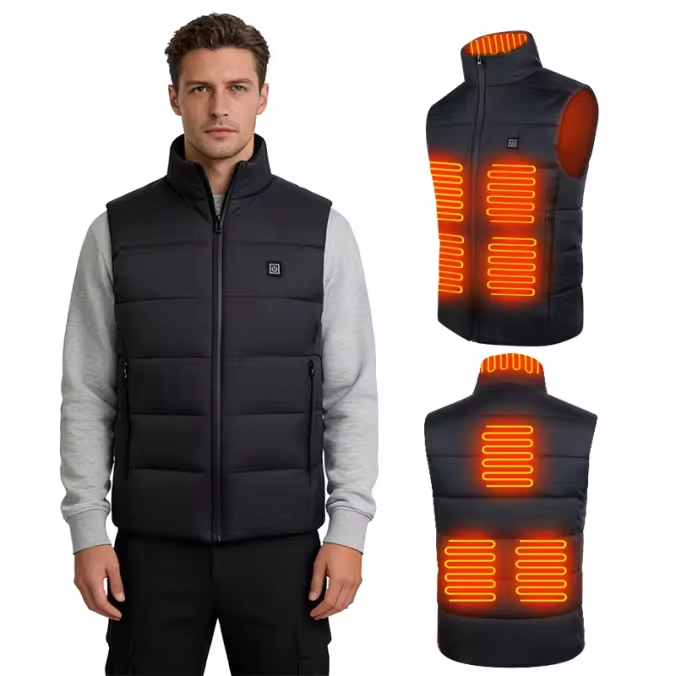
Unisex heated vest
Sleeveless USB heated form with eight-area wording in the captured product title.
View product details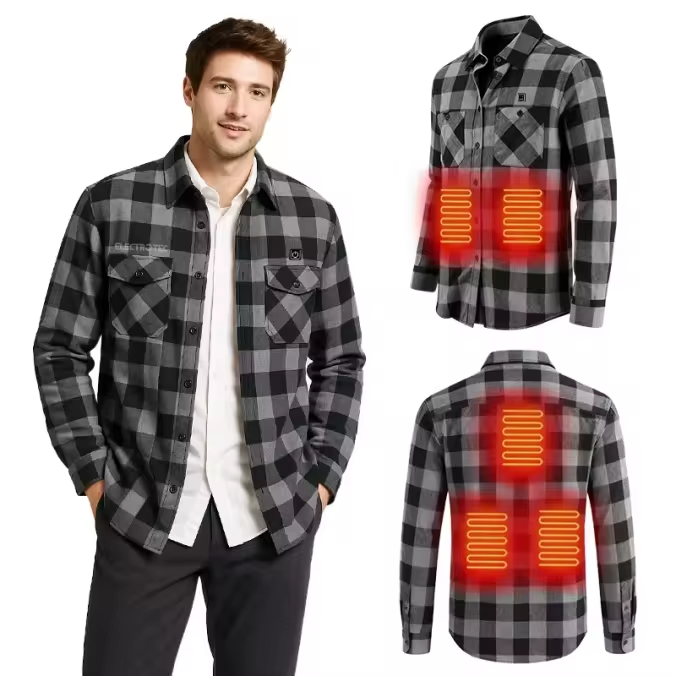
Heated shirt jacket
Plaid shirt-jacket form with four image-backed color options for model comparison.
View product details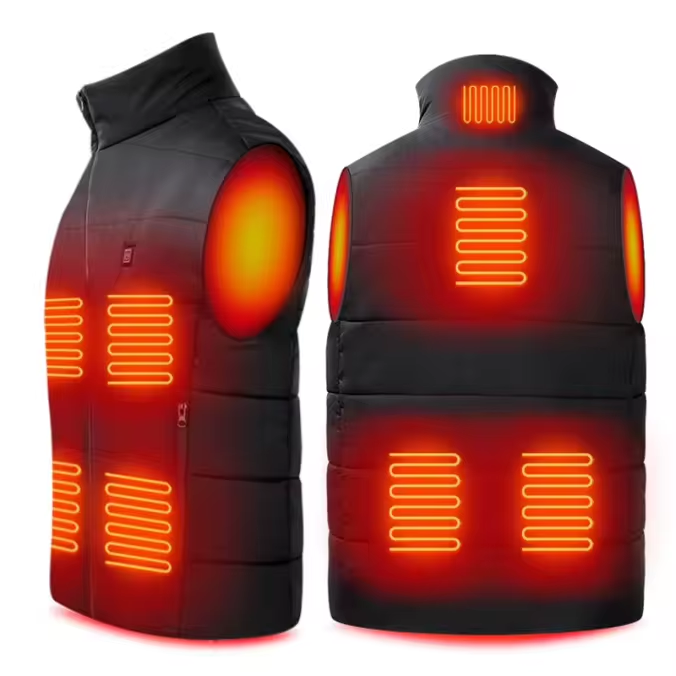
Lightweight vest
Lightweight sleeveless form with 5V 2A and battery-pack wording in the source title.
View product details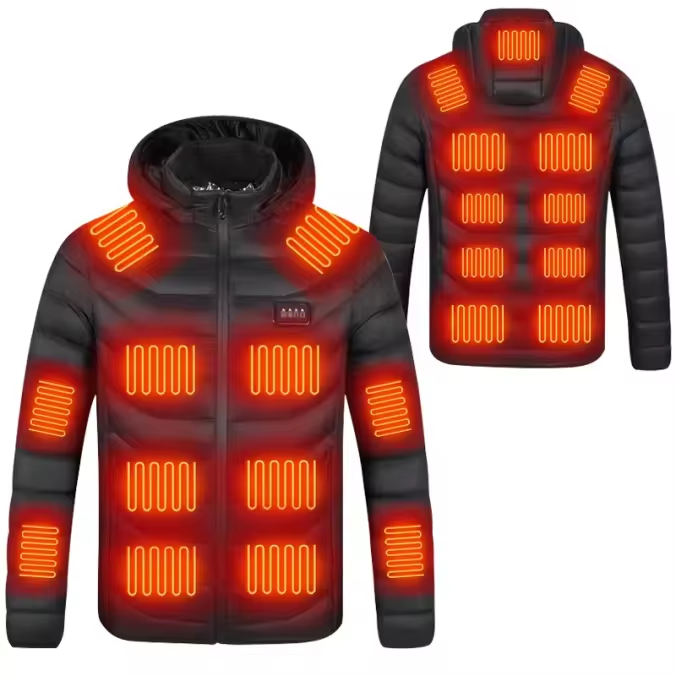
Motorcycle outerwear
Motorcycle outerwear form with 23-zone and temperature-controller wording in the title.
View product details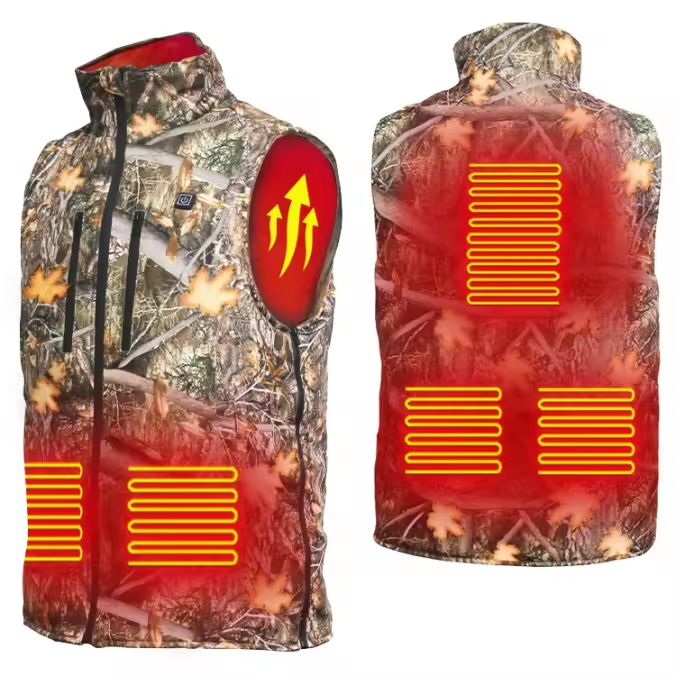
Hunting vest
Camouflage waistcoat with 5V, 7.4V and 12V wording in the captured title.
View product details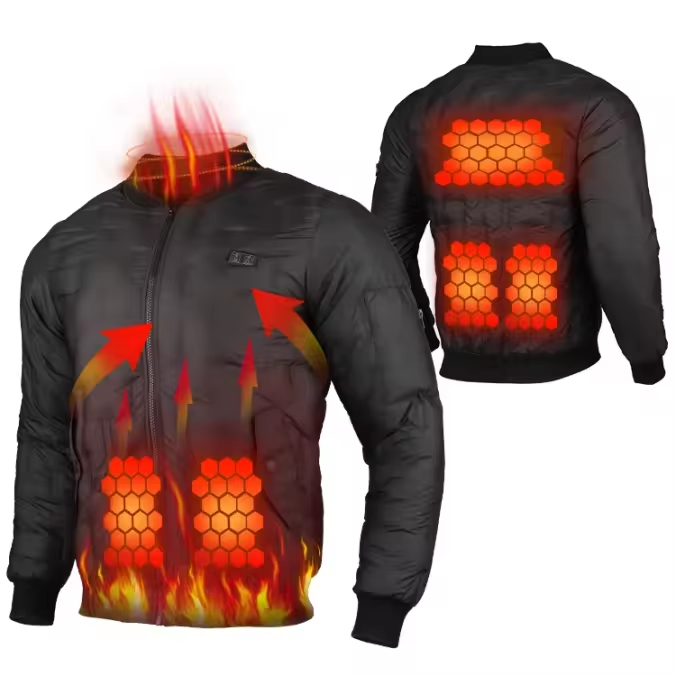
Puffer work jacket
Cold-weather puffer form with work, motorcycle, ski and windbreaker wording in the title.
View product detailsApplication fit
Heated apparel selection begins with exposure, movement and worn layers—not a generic temperature or runtime promise. The intended task changes the useful garment form, zone layout and power direction.
01 / Cold storage and logistics
Review time spent in cold zones, loading activity, vehicle use, protective layers and whether controls remain accessible during the task.
02 / Outdoor field work
Balance torso and arm coverage with bending, lifting, carried equipment, pocket use and the weather protection supplied by the complete clothing system.
03 / Hunting and outdoor activity
Consider how activity changes over time, where the power source sits and whether a vest, hoodie or jacket works with the other carried layers.
04 / Branded product programs
Define the selected model, size and color range, branding positions, included power components, care labels, packaging and target-market documents.
Before sampling
The eight product pages show different rechargeable heated clothing, zone, voltage, battery and control directions. A useful brief identifies the selected combination and the evidence required for it. Use the guide to how heated clothing works to review the power path, compare heated vest, jacket, hoodie and shirt forms, verify model-specific care with the guide to washing a heated jacket, then use the heated workwear application guide to map construction, cold-storage and field tasks.
Define cold exposure, activity level, indoor-outdoor transitions and the layers worn above and below the garment.
Choose a vest, shirt, hoodie or jacket direction around mobility, torso coverage, sleeve needs and the intended layering system.
Confirm the location and number of heating areas on the selected model instead of treating one zone arrangement as a range-wide standard.
Review voltage, connector, control method, temperature settings and the battery or power-bank package for the selected sample.
Confirm fabric, insulation, fit, size range, pockets, branding, care instructions, labels and packaging for the target market.
Match runtime, temperature, weather-resistance, safety and compliance statements to the selected model and supporting documents.
Buyer questions
These answers define the current evidence boundary and the information Pertemba needs to narrow the product direction.
No range-wide inclusion is assumed. Some supplier records mention a battery pack while others describe only the garment or its power input. The quotation and approved sample must identify exactly what is included.
Start with the work environment, activity level and layering plan. Vests prioritize arm freedom, while jackets and hoodies provide broader garment coverage; the heating-zone layout and power package still need model-level confirmation.
No. The captured products show different zone wording, voltage references, controls and garment structures. These values must be verified for the selected model and sample rather than presented as one collection specification.
Share the use environment, garment form, quantity, target market, preferred heating-zone and power direction, branding requirements and required documents. Pertemba can then narrow the eight models for sample and quotation discussion.
Have a cold-weather product brief?
Share the use environment, preferred garment, quantity, target market, heating-zone and power needs, branding and required documents. Compare the opposite climate strategy in fan cooling apparel, or return to the full functional product system.
Factory and evidence
After narrowing the heated garment, zones and power package, use the factory record to understand the production workflow and the testing library to identify evidence that must be matched to the selected material, model and market.
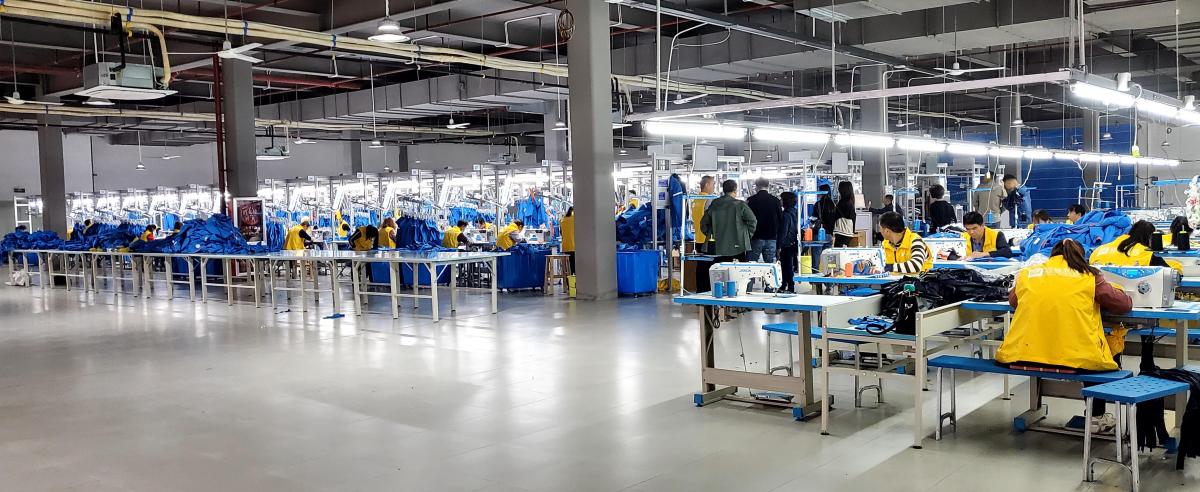
Manufacturing environment
Review supplied factory photographs, workflow stages and the capacity facts that still need project-level scheduling confirmation.
Explore manufacturing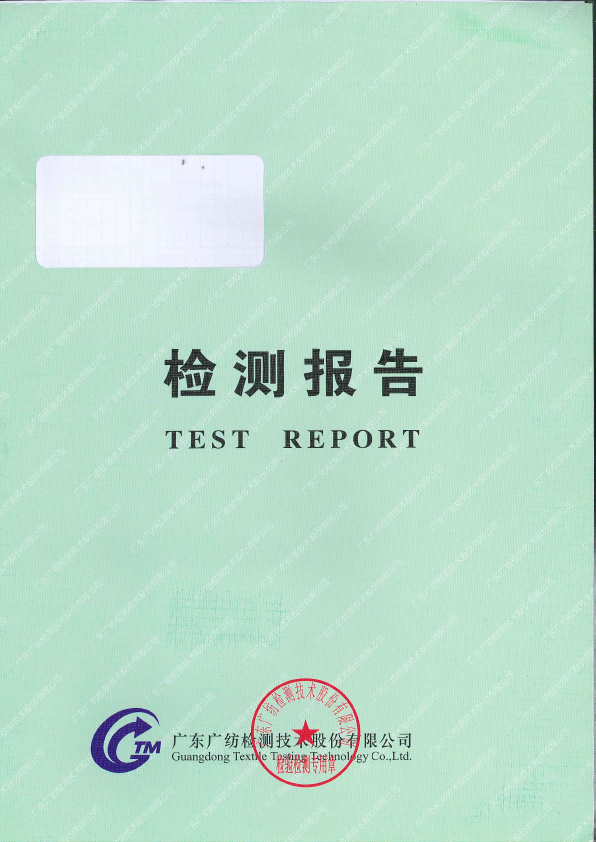
Testing and document review
Check sample identity, report reference, test method and result scope before using any record in a specification or product claim.
Review testing recordsTesting reports are not a range-wide certification claim. Each original document applies only to the sample and scope stated in that report.
We use only necessary browser storage to remember privacy preferences and support core site functions.