01 / Running and walking
Bounce, adjustment and low bulk
Review closure, strap movement, arm swing, control access and whether the power component shifts during motion.
Application guide · low-light movement
Compare an illuminated running vest or LED running vest by viewing direction, fit over clothing, active light, reflective coverage and the exact charging system.
Light is not certificationLEDs and reflective bands do not prove a road or PPE standard.
Visibility is directionalFront, side and rear viewing needs change with the activity.
Power is model-specificModes, charging and runtime require sample-level confirmation.
Running versus cycling
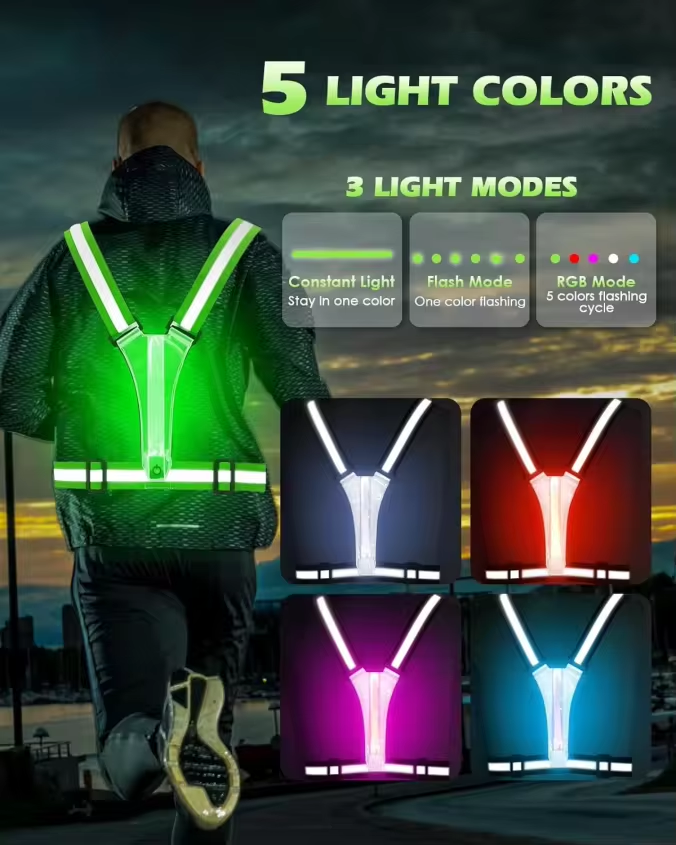
A night running vest or running visibility vest must control repeated torso movement without obscuring the active and reflective zones. For cycling, posture increases the importance of rear and side visibility. Both require stable fit over the actual seasonal layers.
01 / Running and walking
Review closure, strap movement, arm swing, control access and whether the power component shifts during motion.
02 / Cycling
Evaluate the vest while leaning forward, with carried gear, and from front, side and rear approach directions.
03 / Teams and events
Define sizing, allocation, charging, replacement components, logo placement and packing.
04 / Mixed weather
Confirm fit over seasonal clothing and exact evidence for weather-use, care and electrical claims.
Two visibility systems
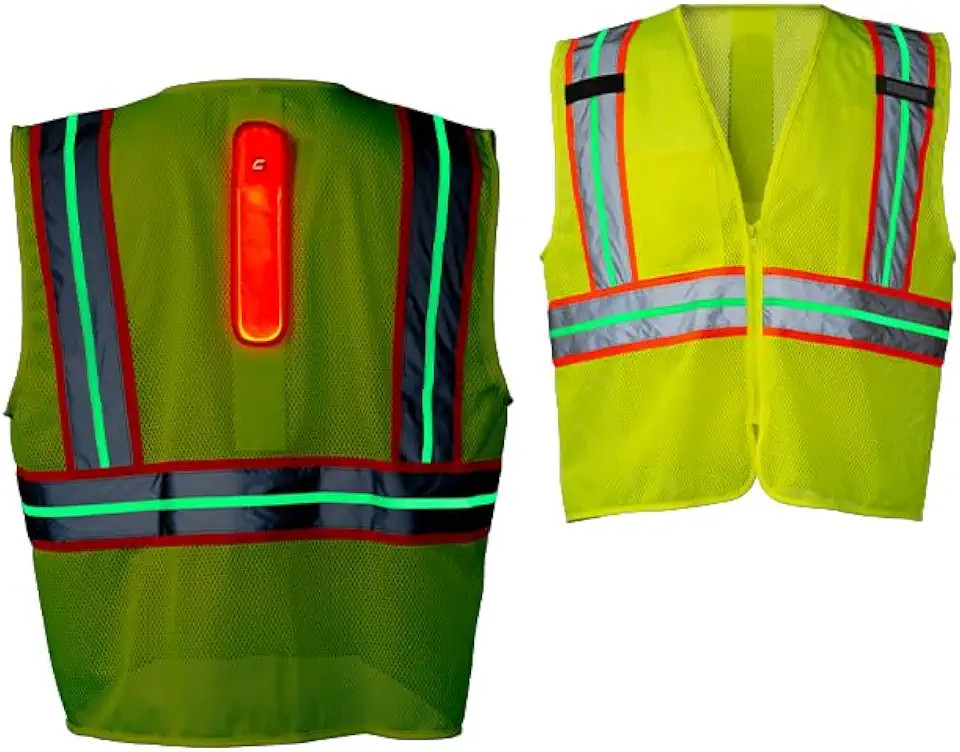
LEDs emit light; reflective material depends on an external source. The LED vs reflective vest guide separates their operating conditions and evidence checks. Map viewing directions, then verify layout, modes, controls, charging and reflective coverage.
Light position, mode, control, power source and charging.
Material placement, coverage and evidence where a standard is required.
Four current references
For an LED reflective running vest, each product page keeps its own gallery, price tiers, options, attributes and evidence limits. Use the rechargeable LED vest buying guide to organize the sample requirements.
Review model-specific fit, light, reflection, charging and supplier-backed attributes.
View product details →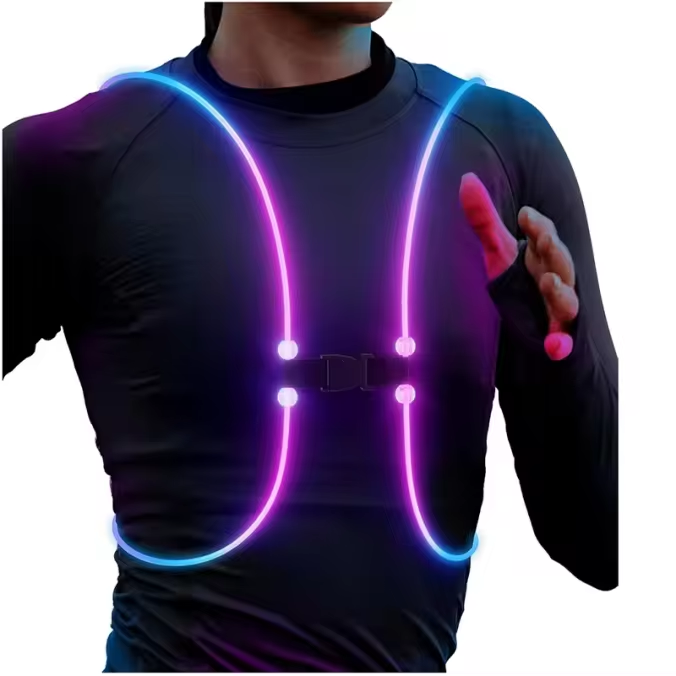
Review model-specific fit, light, reflection, charging and supplier-backed attributes.
View product details →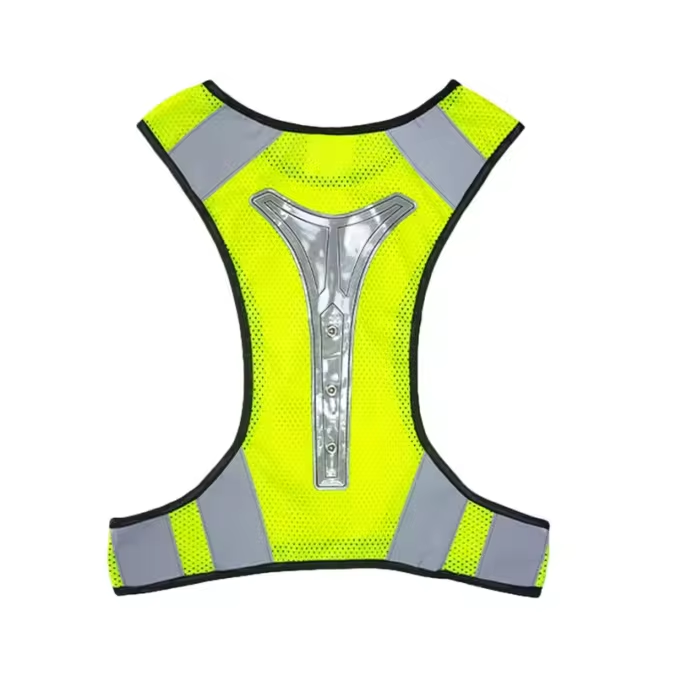
Review model-specific fit, light, reflection, charging and supplier-backed attributes.
View product details →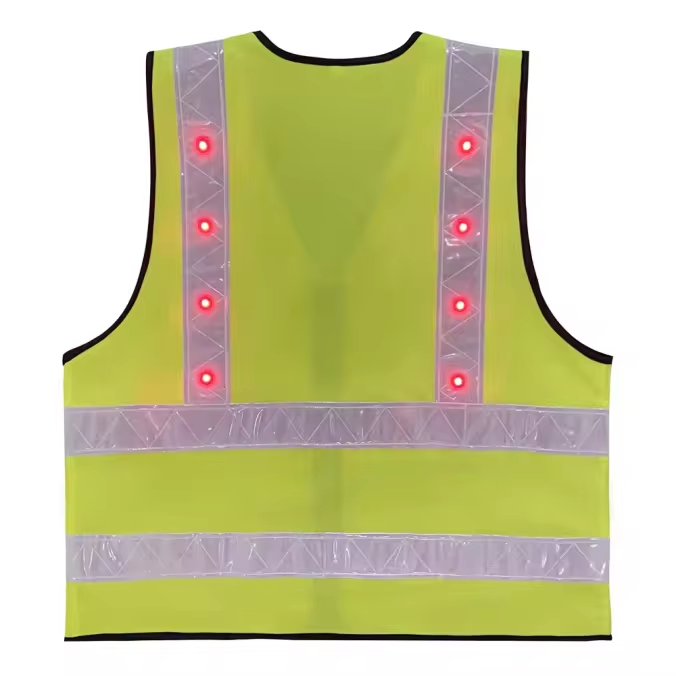
Review model-specific fit, light, reflection, charging and supplier-backed attributes.
View product details →For revised light placement, colors, branding or packaging, review custom product development.
Buyer questions
No. Active lighting and reflective material are visible features, but they do not establish certification or legal suitability. Verify the target market and model-level documents.
LED elements emit light, while reflective material returns light from an external source. Review both layouts separately and in the viewing directions that matter.
Evaluate it in the riding position and over the intended clothing. Confirm adjustment, movement stability, arm freedom, control access and interference with carried equipment.
No. Confirm the interface, battery or power source, modes and test conditions for the selected sample.
Include the activity, low-light environment, viewing directions, garment layers, quantity, fit, lighting, reflection, charging, branding and evidence requirements.
Build a reviewable brief
Share the environment, worn layers, quantity, light and reflective layout, charging, branding and evidence requirements for the selected LED vest sample.
Factory and evidence
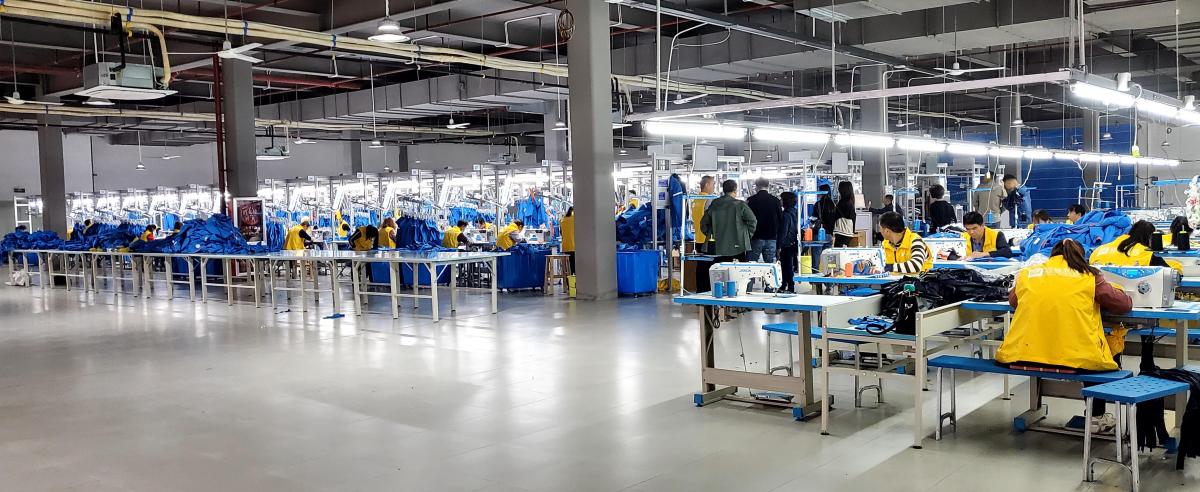
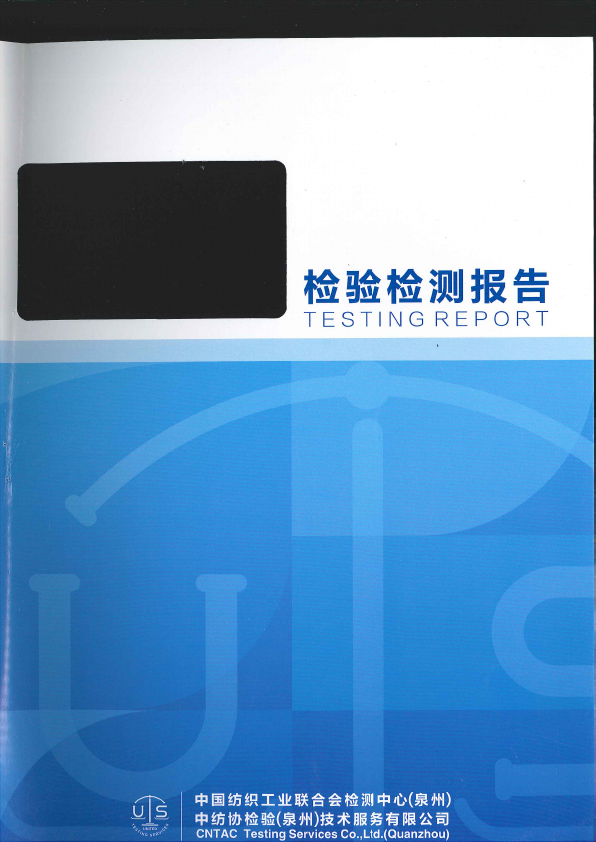
The factory record shows garment-production context; the testing library lets buyers inspect sample-specific fabric and garment evidence. LED operation, reflective performance and any road or PPE claim still require verification for the exact vest.
We use only necessary browser storage to remember privacy preferences and support core site functions.