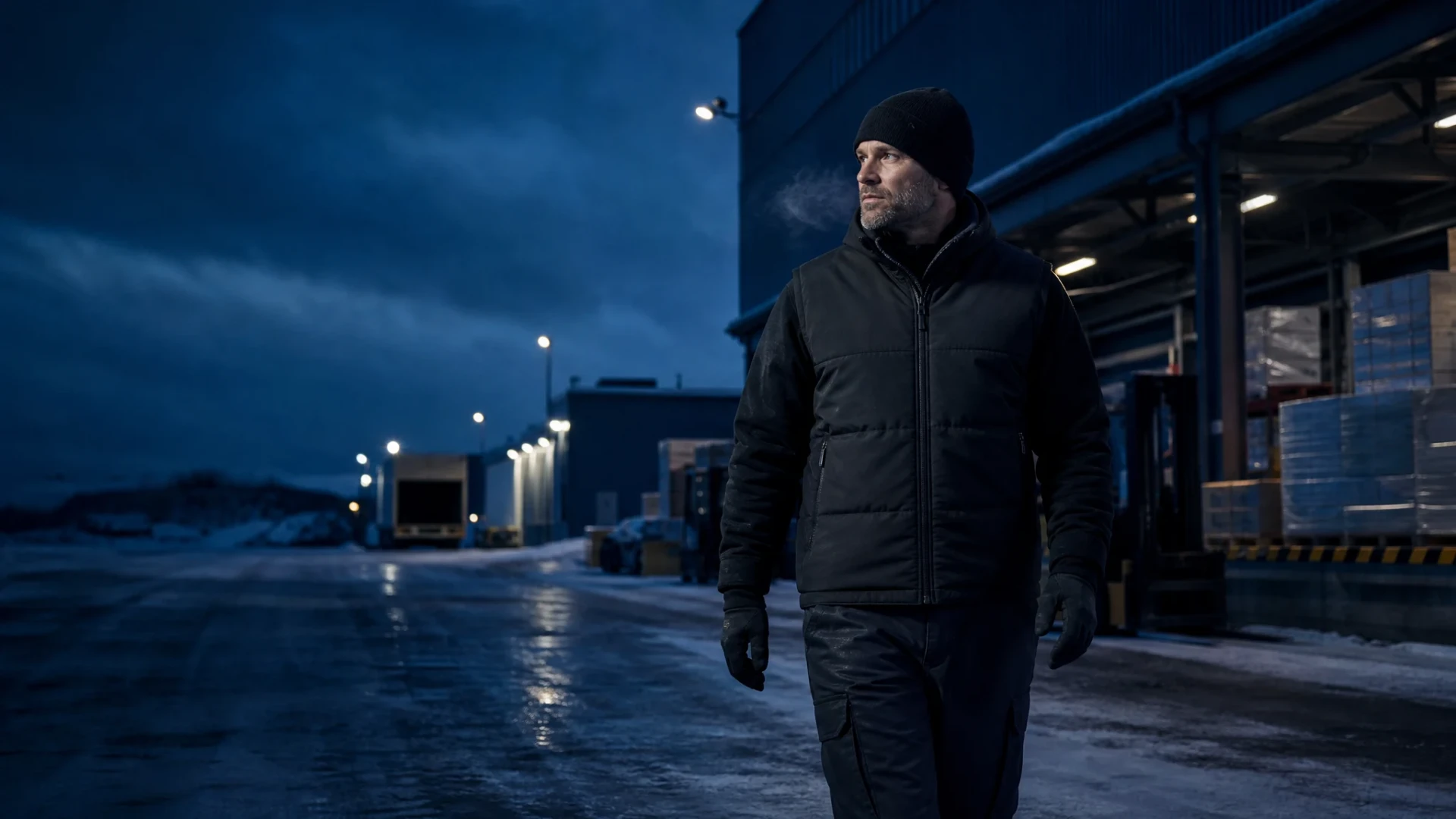
Worker in black insulated heated workwear at a cold logistics loading area

Application guide · cold-weather work

Heated workwear starts with exposure, movement and layers.

Compare heated work clothes by cold exposure, activity, vest or jacket coverage, heating-zone layout and the exact power system your team will evaluate.

View heated apparel

No universal temperature levelHeat settings and perceived warmth belong to the selected garment, environment and layers.

No range-wide runtimeBattery duration depends on the exact voltage, battery, zone layout, setting and test conditions.

No implied PPE complianceA heated garment does not replace worksite, electrical or target-market verification.

Four work contexts

Cold exposure changes across the shift.

Construction, cold storage, field service and energy work combine different temperatures, activity levels, transitions and protective layers. Define what the sample must prove in that routine before selecting a garment.

01 / Construction

Tools, reaching and other PPE

Review bending, overhead reach, harness or vest layering, pocket access, battery position and whether controls remain reachable during the task.

Starting direction: heated vest for arm freedom or work jacket where added coverage is required.
02 / Cold storage and logistics

Repeated cold-zone transitions

Map time inside cold areas, lifting, vehicle seating, loading-bay transitions, moisture exposure and the layers worn above or below the garment.

Starting direction: lightweight heated vest or insulated jacket, tested in the actual work cycle.

03 / Outdoor field service

Weather, movement and carried equipment

Balance active heating with wind, precipitation, physical effort, tool belts, vehicle travel and access to the power source.

Starting direction: softshell, hoodie or puffer form after the complete layering system is defined.

04 / Energy and infrastructure

Site rules and long outdoor sequences

Document restricted components, visibility or flame-related rules, remote charging access, work-rest cycles and required electrical or garment evidence.

Starting direction: only after the site’s PPE and component constraints are confirmed.

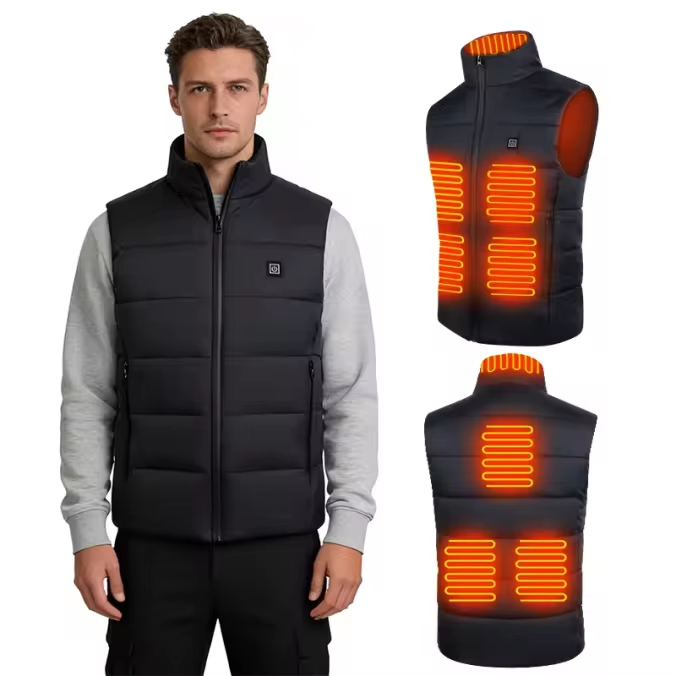
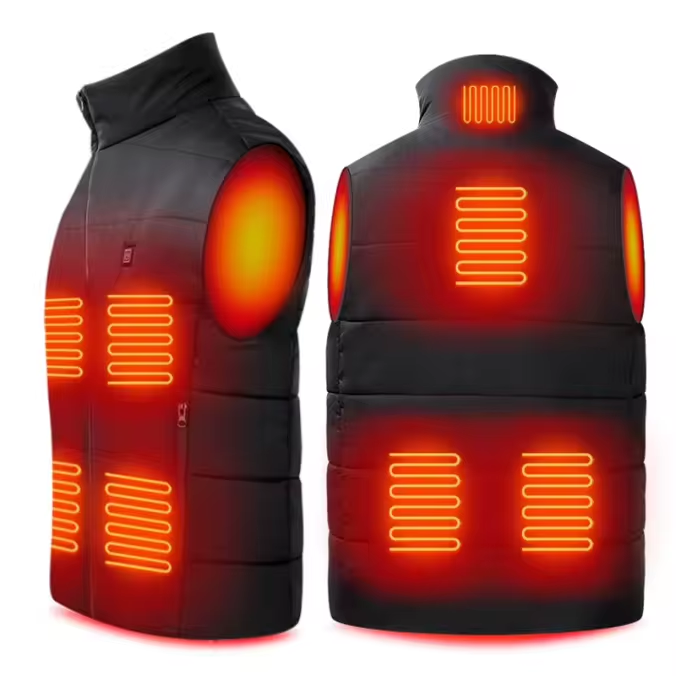
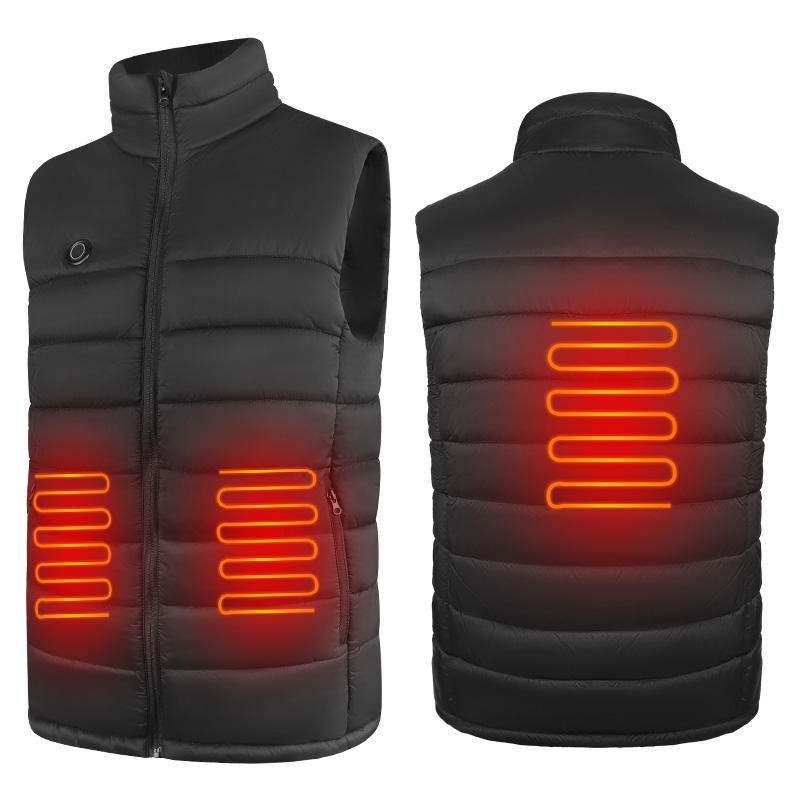
Black heated vest shown from front and back with highlighted heating zones
A zone diagram is useful for placement discussion, but it does not establish one zone count or heat setting for every product.

Vest, jacket and system choices

Garment coverage is only one part of the heated system.

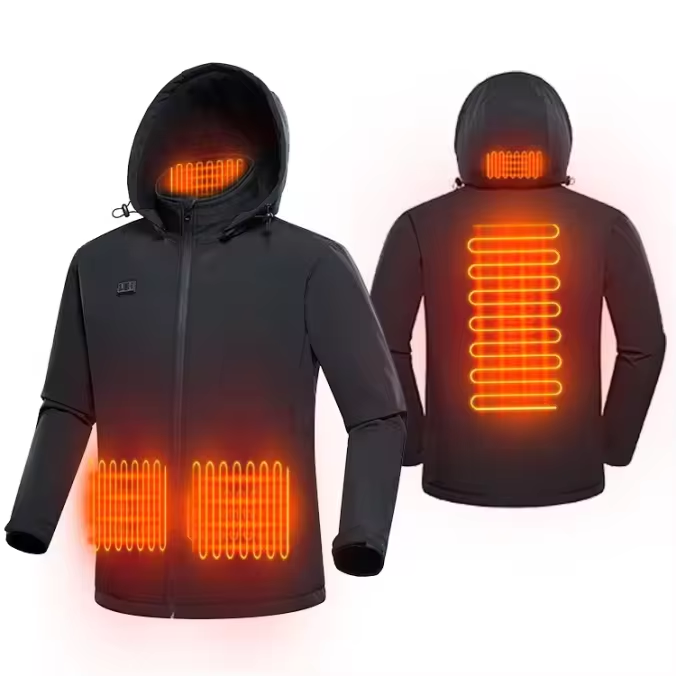
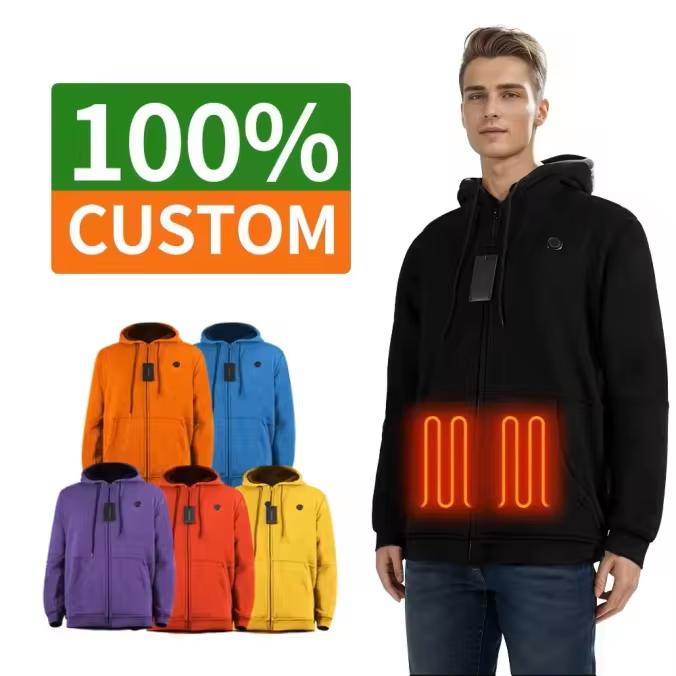
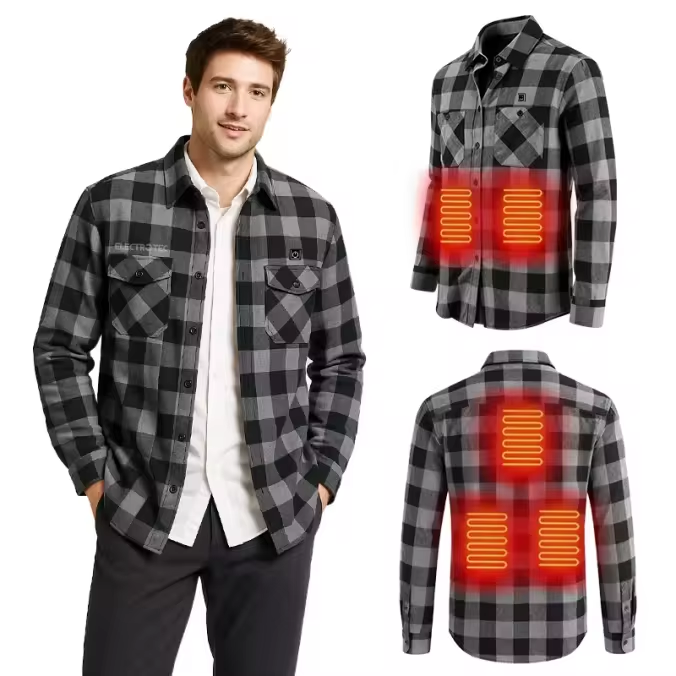
A heated jacket for work, heated work coat, vest, hoodie or shirt jacket changes mobility and layering. The heating zones, wiring, control, connector, voltage, battery and charging arrangement must then be confirmed as one model-specific package.

Vest direction
Prioritizes arm freedom and layering; review hem, fit, pockets and battery position.
Jacket direction
Adds sleeve and outer-layer coverage; review cuffs, hood, shell, insulation and tools.
Heating-zone direction
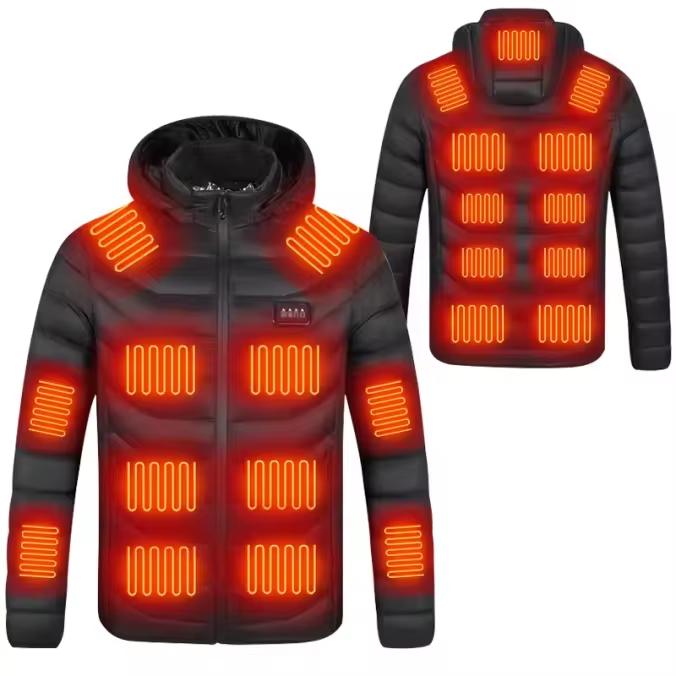
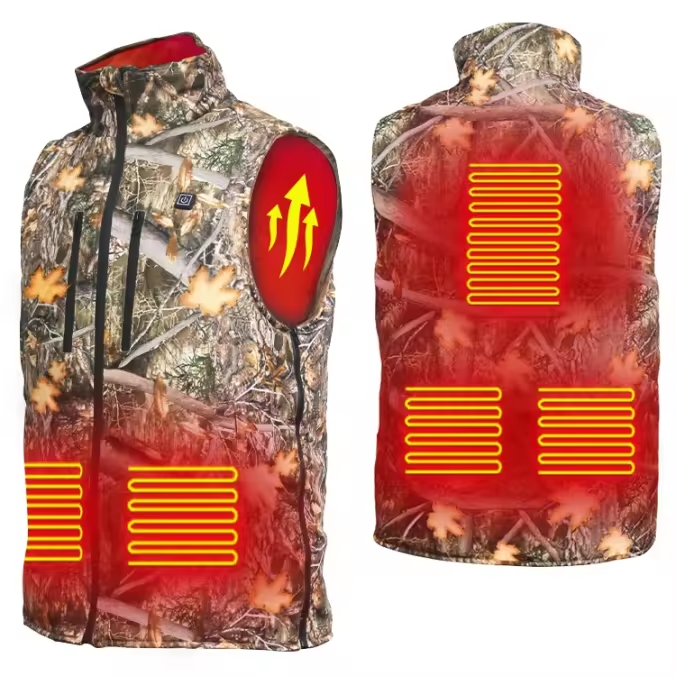
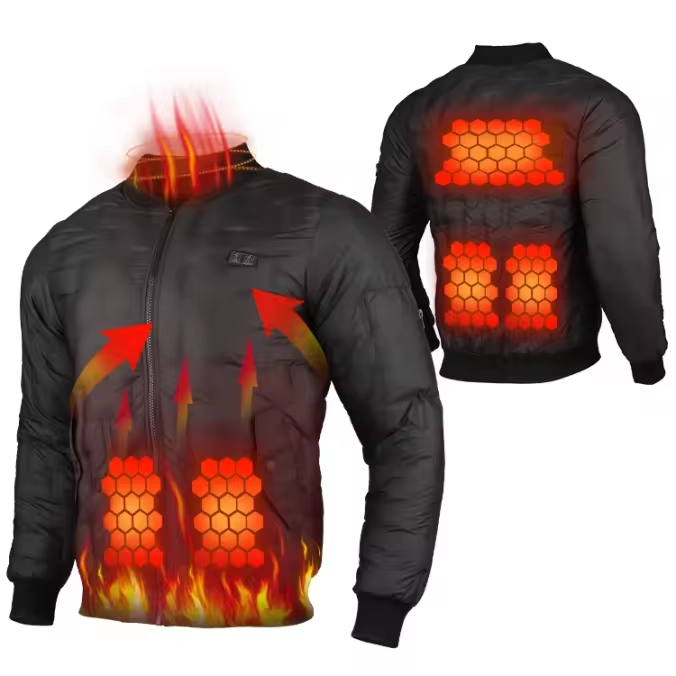
Confirm locations and controls on the exact sample; never combine zone claims from several products.
Power direction
Confirm voltage, connector, battery inclusion, charging and runtime test conditions together.

Current product references

Use real heated apparel models to narrow the sample direction.

These eight products provide documented vest, hoodie, shirt-jacket, softshell and insulated jacket directions. Open each page for its own options and source-backed attributes.

Before comparing individual models, read how heated clothing works to separate the power path and heating zones from model-specific claims. Then use the heated garment form comparison to review coverage, layering and mobility. Need to change fabric, branding, zone placement, controls or packaging? Review the custom product development process after selecting the closest product direction.

Approval evidence

Verify workplace, care and electrical claims before procurement.

Workplace compatibility

Check other PPE, site restrictions, visibility requirements, snag points, battery placement and control access.

Electrical package

Identify voltage, connector, battery, charger, heat settings, protection features and test conditions for the sample.

Garment and care

Confirm materials, insulation, size range, washing procedure, component removal, labels, packaging and storage instructions.

Performance evidence

Tie temperature or runtime data to the exact garment, battery, setting, ambient conditions and evaluation method.

Buyer questions

What to clarify before requesting heated workwear samples

Use these questions to keep garment, electrical and workplace requirements attached to the same approved configuration.

Should a workwear buyer start with a heated vest or a heated jacket?

Start with movement, exposure and layering. A heated work vest keeps the arms free and can sit under another layer, while a jacket or hoodie adds garment coverage; the selected heating zones and power package still require model-level review.

Can heated clothing for cold storage be specified from a generic temperature rating?

No. Cold-storage work varies by room temperature, exposure duration, activity, transitions and other worn clothing. Evaluate the complete sample under the buyer’s own work pattern instead of relying on a range-wide temperature statement.

Are the heating zones and voltage the same across every garment?

No. The current products show different zone wording, garment structures, voltage references and controls. Keep each electrical specification attached to the exact model and approved sample.

Does a heated jacket replace certified workplace PPE?

No. Heated work clothes are not evidence of task-specific PPE compliance. Buyers must identify the worksite rules, target-market documents and any required visibility, weather or electrical evidence for the complete configuration.

What should a heated workwear sample request include?

Share the cold environment, task and activity level, garment form, worn layers, size range, expected quantity, branding direction, heating-zone preference, power and charging requirements, care needs and the evidence used for approval.

Build a reviewable brief

Describe the cold exposure, then confirm the garment and power package.

Share the job, movement, worn layers, cold exposure, expected quantity and evidence your team requires. Pertemba can then review a current model or custom direction without assuming an unverified warmth, runtime or workplace-compliance claim.

Factory and evidence

Connect the heated-workwear brief to production and sample evidence.

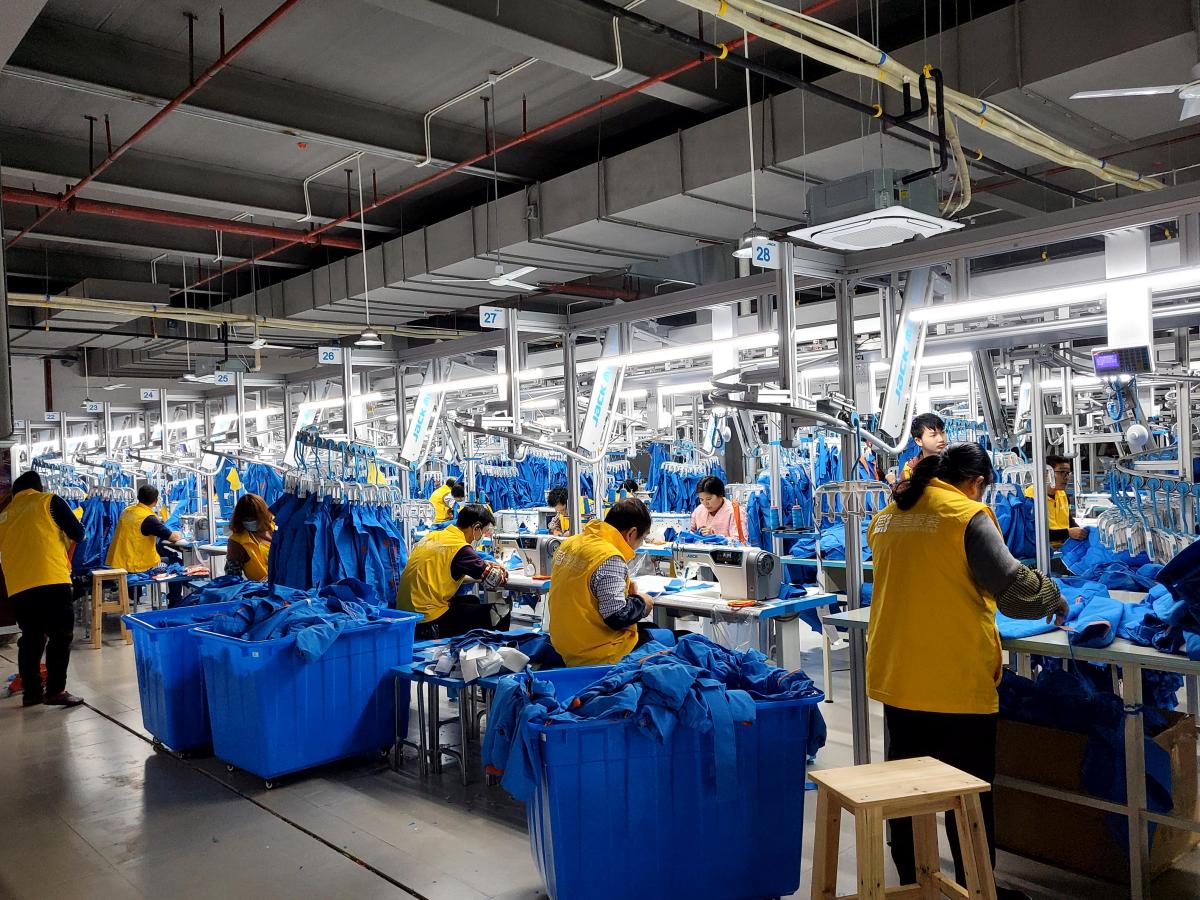
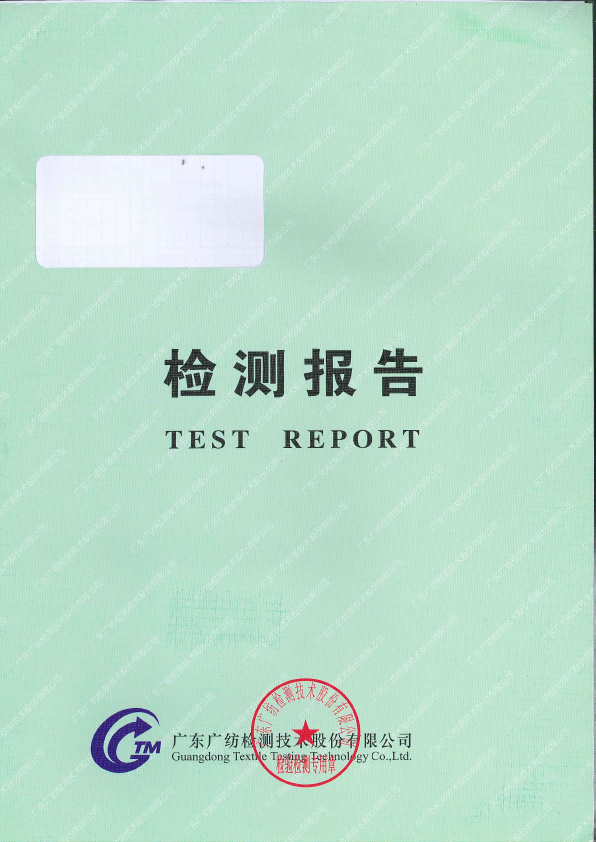
Review the garment-production environment, then inspect supplied winter-garment and material reports to frame the evidence required for the exact shell, insulation, heating layout and target market.

We use only necessary browser storage to remember privacy preferences and support core site functions.