Application brief and product family
Share the use environment, task, target user and whether the direction is custom fan cooling clothing, custom heated clothing, visibility apparel, an accessory or a temperature-control bag.
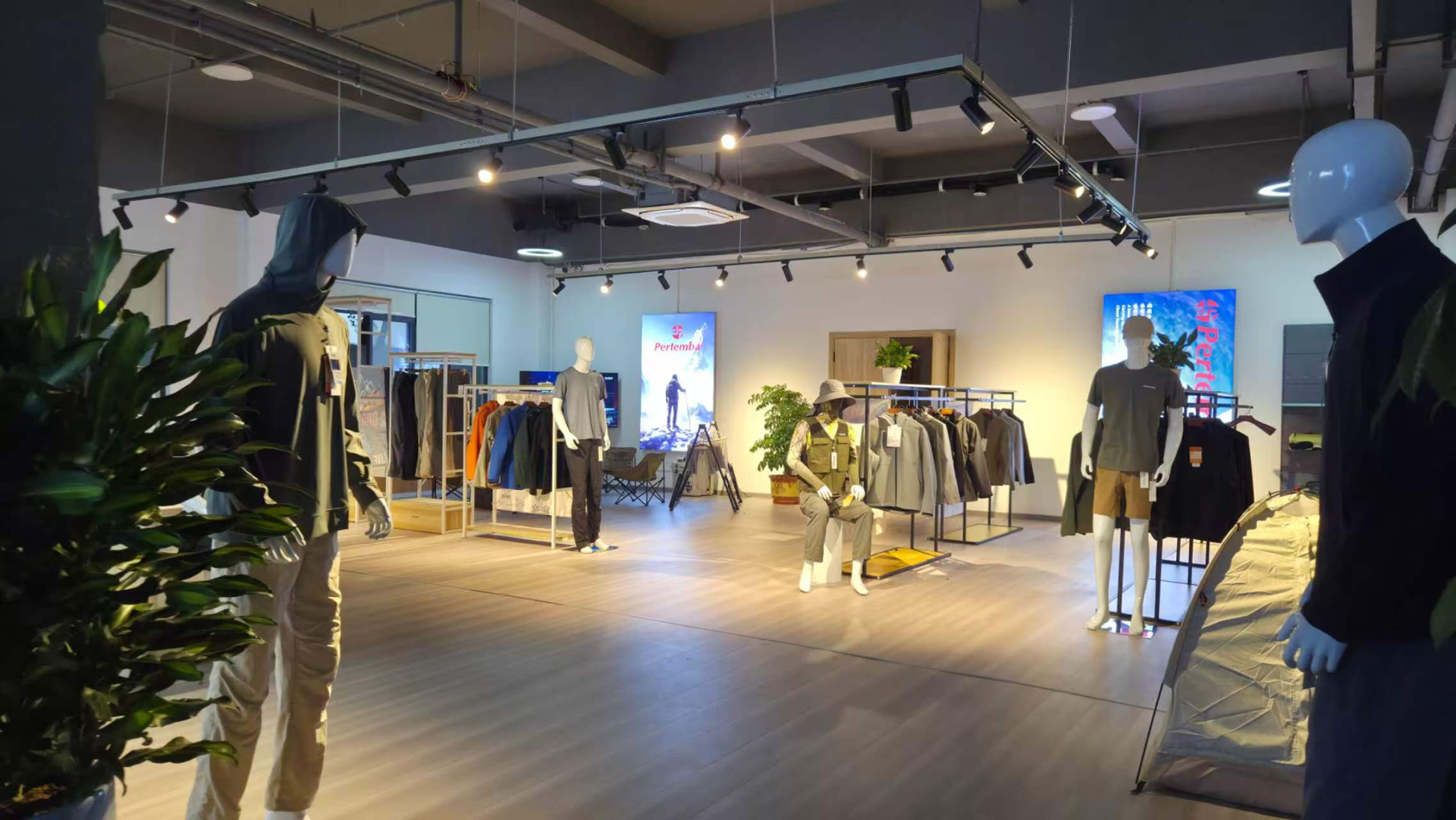
Define the requirement before defining the model
Pertemba connects the intended environment with product form, materials, functional modules and the evidence a buyer needs to review. The result is a clearer route toward a project-specific sample.
One brief, connected decisions
OEM ODM product development is more than changing a color or applying a logo. The useful starting point is a product family and application brief that lets structure, function, branding and approval criteria be discussed together. For unfamiliar systems, buyers can first review fan-cooling airflow and power, heated-garment construction, or the difference between active LEDs and reflective material before defining what the custom sample must change.
Define the environment, task, target user and whether the project is clothing, an accessory or a soft temperature-control bag.
Review coverage, fit, construction and the airflow, heating, illumination or thermoelectric direction required by the use case.
State what must be checked in the sample, which documents matter and which commercial terms still need project-level confirmation.
Current product scope: fan cooling clothing, heated clothing, LED visibility apparel, recycled-material clothing, heated accessories and thermoelectric cooler-warmer bags.
Review product directionsConfiguration decisions
The list below is an information framework, not a fixed specification menu. Available materials, modules, testing, MOQ and timing depend on the selected model and project requirements.
Share the use environment, task, target user and whether the direction is custom fan cooling clothing, custom heated clothing, visibility apparel, an accessory or a temperature-control bag.
Define vest, shirt, jacket, accessory or soft-bag form together with fit direction, size range, movement needs, pockets and component access.
Discuss fabric direction, layering, insulation, visibility elements, trims, openings and construction details without treating reference materials as an approved final specification.
Align airflow, heating, illumination or thermoelectric components with controls, placement and power requirements that must be confirmed by model.
Specify color direction, logo application, labels, care information, unit packing and outer-carton requirements for the intended sales program.
List target-market requirements, test questions, document needs and the visual, functional and packaging checkpoints the reviewed sample must satisfy.
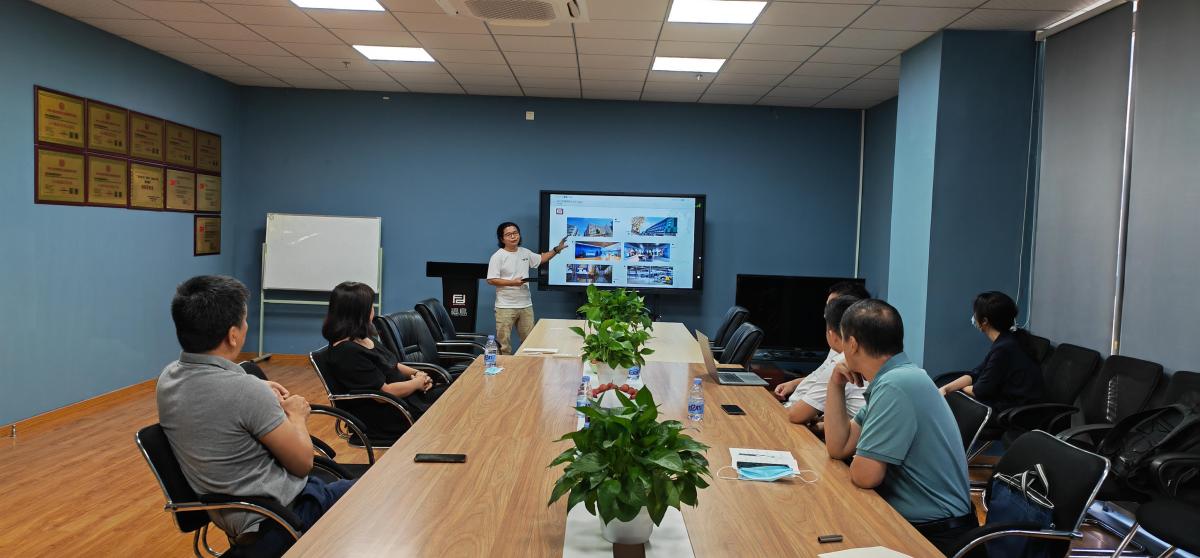
Requirement to approval
Describe the environment, intended user, product direction, quantity context and target-market needs.
Connect product structure, materials, functional modules, branding, labels and packaging.
Check fit, access, operation, visual details and requested documents against the agreed brief.
Confirm approved details, quantity, packaging, commercial terms, schedule and delivery requirements for the project.
See the supplied manufacturing environment for visible production context. Sampling is currently planned at about 10–30 days depending on the garment; testing records, capacity, bulk timing and documentation remain project-level confirmations.
Factory and evidence
Use the factory record to understand the visible manufacturing environment, then define which material, garment, electrical or performance evidence must belong to the exact custom sample. Existing reports remain limited to the samples and methods named in their original files.
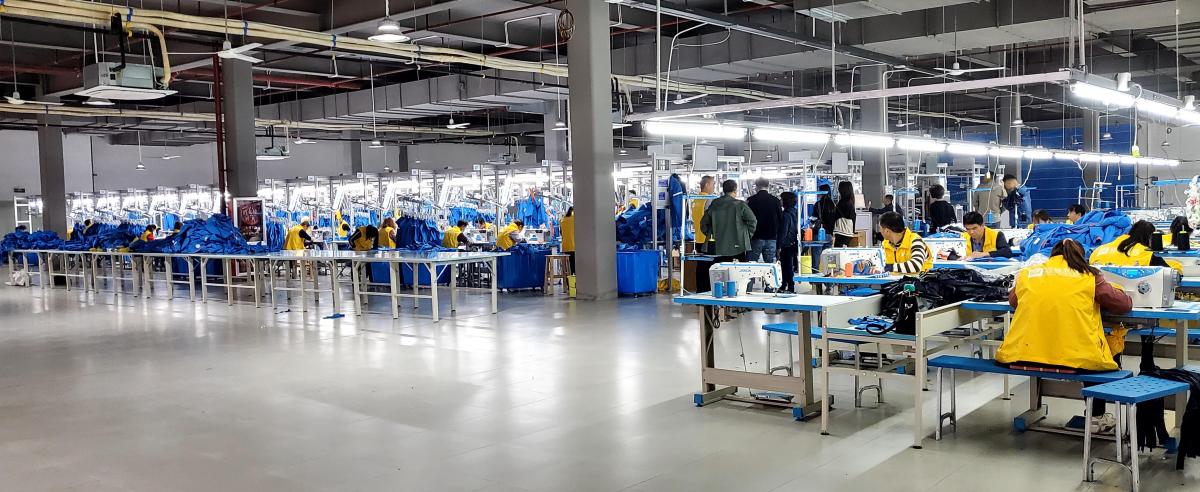
Manufacturing environment
Review workshop, sewing, assembly, inspection and packing context before confirming the project route.
Explore manufacturing →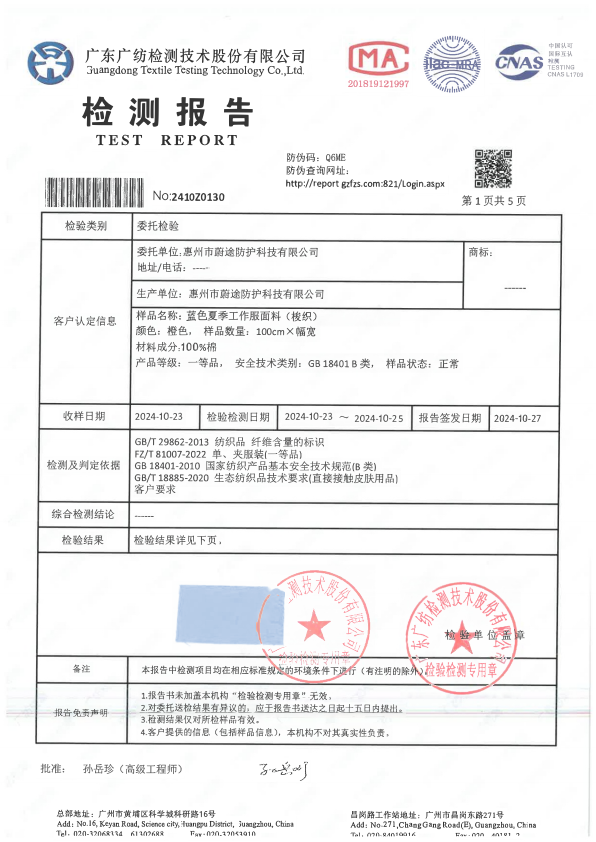
Testing records
A report preview illustrates the review process; it does not certify a new custom model or a complete product category.
Review testing records →Start with the requirement
Share the intended product family, environment, quantity direction, branding and evidence needs. The current sampling planning range is about 10–30 days depending on the garment; MOQ, bulk timing, testing and certification scope are confirmed for the selected project.
We use only necessary browser storage to remember privacy preferences and support core site functions.