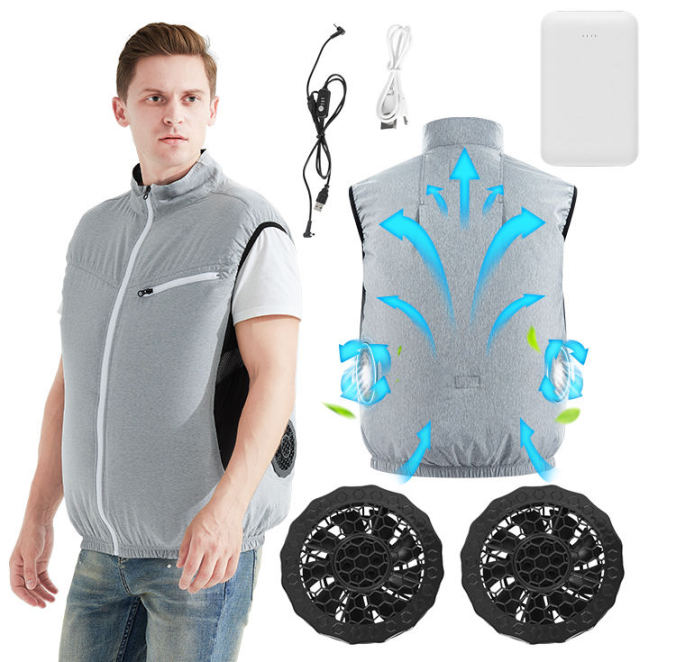
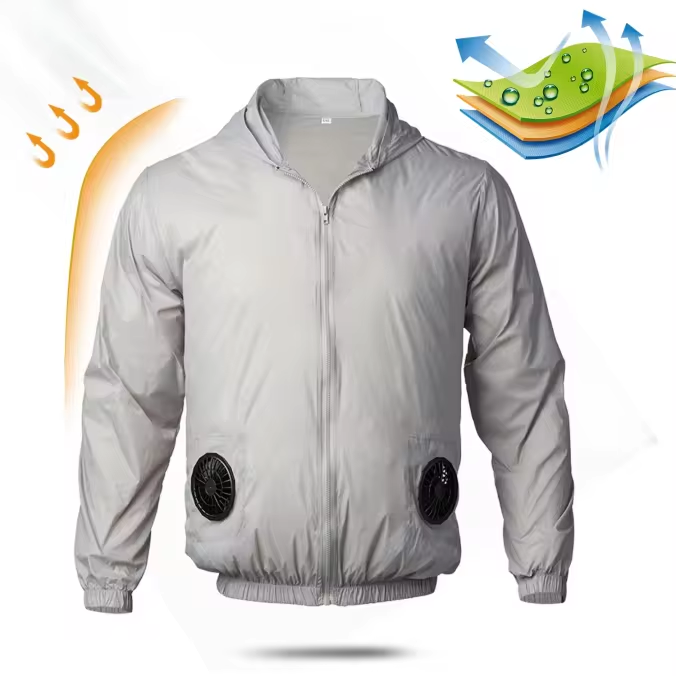
Worker wearing a light gray fan-cooling vest in a warm industrial environment

Application guide · active high-heat work

Cooling workwear starts with the job, not a cooling claim.

Compare fan-assisted cooling work clothes by movement, garment coverage, airflow layout, visibility requirements and the exact fan-and-power package your team will evaluate.

View fan cooling apparel

No fixed cooling deltaAirflow effect changes with ambient conditions, fit, activity and the selected system.

No universal runtimeBattery and operating-time data must belong to the exact fan, voltage and speed configuration.

No implied complianceReflective details or product labels do not replace target-market and worksite verification.

Four working contexts

The same heat does not create the same garment brief.

Construction, logistics, agriculture and outdoor maintenance involve different movement, coverage and site constraints. Use the contexts below to define what the sample must prove rather than selecting from appearance alone.

01 / Construction

Movement, tools and other PPE

Review bending, overhead reach, pockets, harness or vest layering, snag risk, visibility rules and whether the worksite permits the selected battery and fan components.

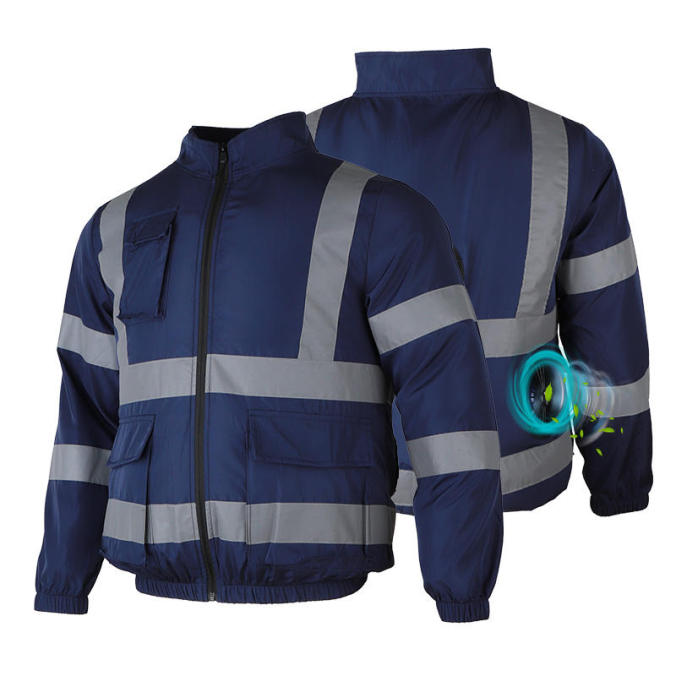
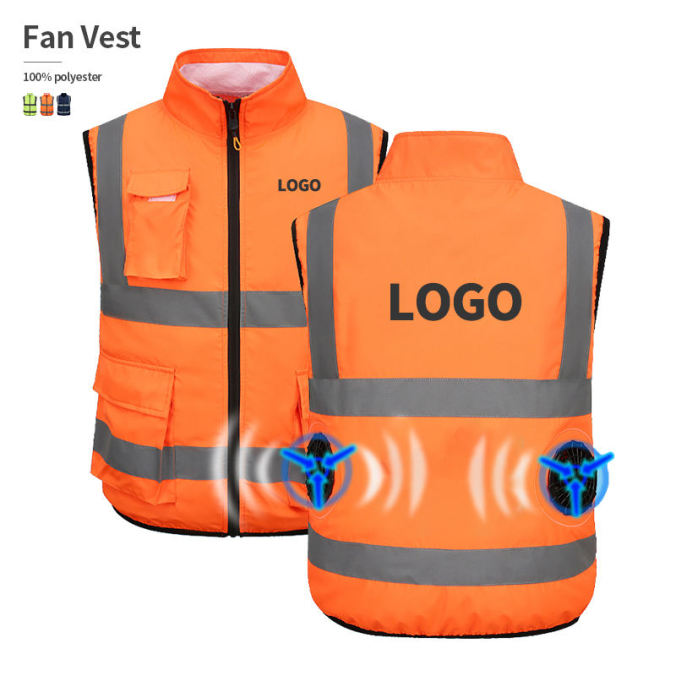
Likely starting point: reflective vest or full-sleeve work jacket, subject to site requirements.

02 / Warehouse and logistics

Lifting and indoor-outdoor transitions

Account for vehicle seats, back contact, repeated lifting, loading-bay airflow, uniform layers and access to the controller during the working routine.

Likely starting point: lightweight vest or stand-collar jacket.

03 / Landscaping and agriculture

Sun exposure and repeated outdoor motion

Balance sleeve or hood coverage against arm freedom, carried equipment, vegetation contact, pocket use and the way the garment holds an airflow space while moving.

Likely starting point: hooded or long-sleeve jacket; vest where arm freedom takes priority.

04 / Outdoor maintenance

Coverage, visibility and task changes

Map roadside or facility rules, tools, kneeling and reaching, changing exposure and required uniform appearance before deciding on a general work jacket or visibility-led form.

Likely starting point: high-visibility or reflective jacket, after documentation review.

Vest versus jacket

Choose cooling vests for workers or jacket coverage around movement and site rules.

Cooling shirts for construction workers, vest directions and jacket forms change how air can circulate, how components sit and how the wearer interacts with tools and other layers. These are selection directions—not performance rankings.

Vest

Arm freedom and easy layering

Useful to evaluate when frequent reaching or sleeveless layering matters. Confirm arm openings, hem, fit and whether the vest maintains the intended airflow space.

Long-sleeve jacket

More garment coverage

Useful where sleeve coverage or a work-uniform form is preferred. Review cuff, collar, fabric, pocket and layering requirements with the fan layout.

Hooded jacket

Head-and-neck coverage direction

A hood can support a sun-coverage brief, but field of view, head protection, drawcords, other PPE and worksite rules must be checked.

Visibility-led form

Reflective appearance for review

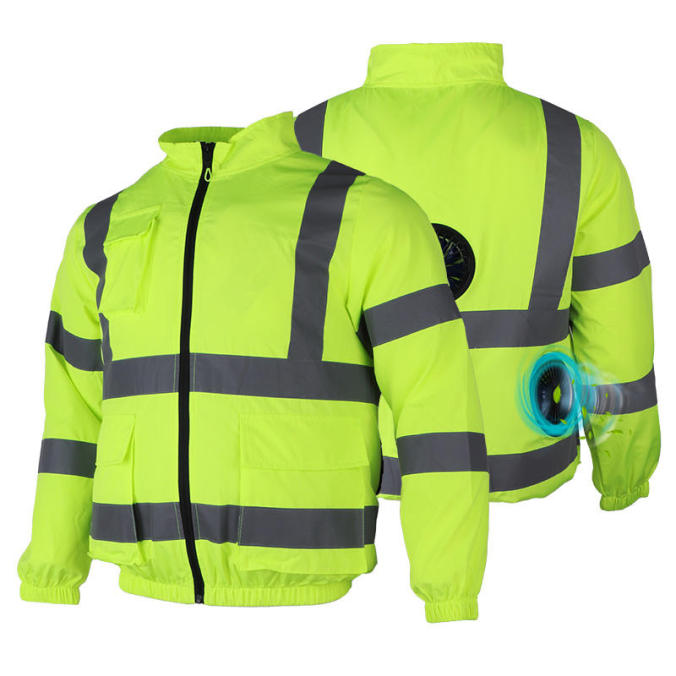
Fluorescent colors and reflective bands can be part of the sample direction. Required standards, materials and test documents remain project-specific.

Current product references

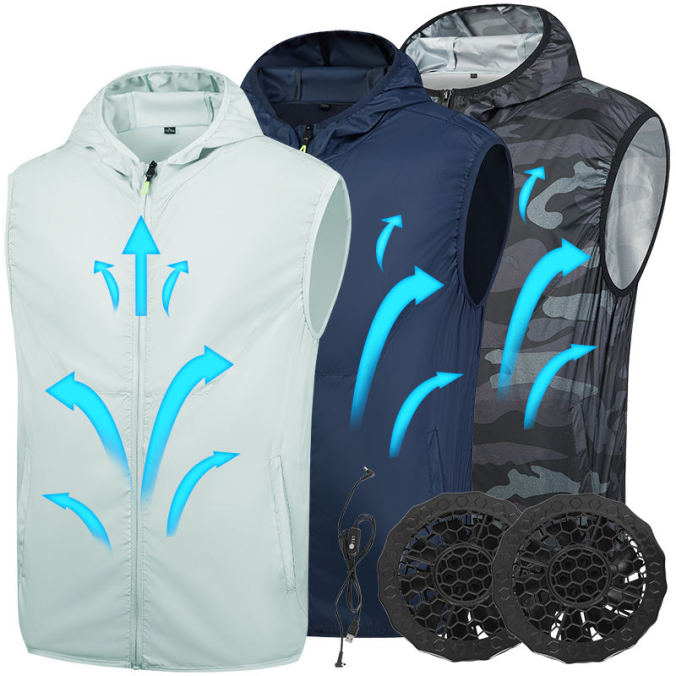
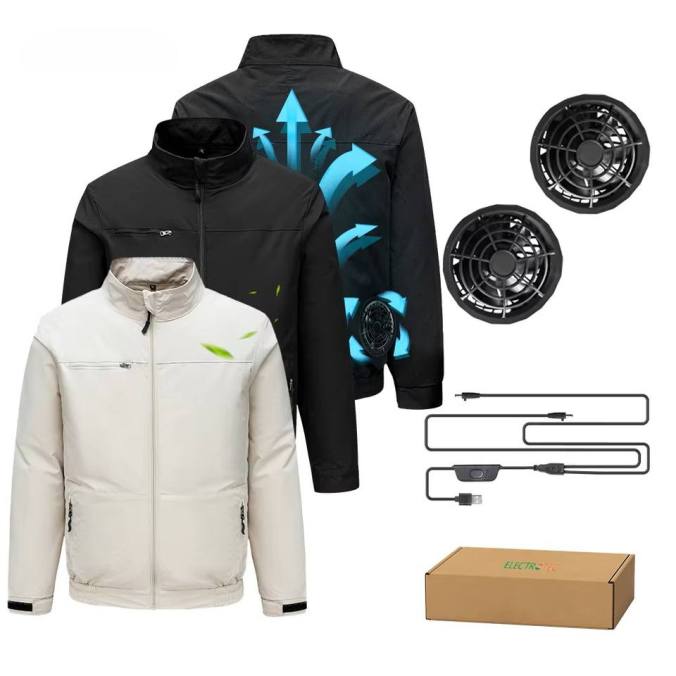
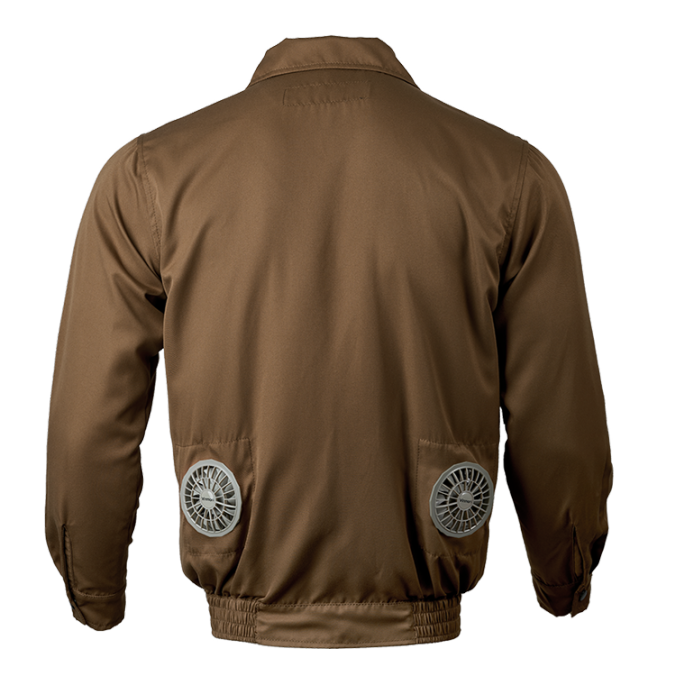
The products below represent different coverage, fan-layout and visibility directions already documented in the fan cooling apparel family. Open a product page for its source-backed options and attributes before requesting a sample.

These eight references are the currently documented fan-cooling products. Use the category page to compare their individual galleries, options, attributes and source-backed detail images.

Compare all fan cooling apparel

Understand the system first

Before comparing model details, read how fan cooling clothing works to understand how intake, garment fit, exit space, controls and power operate as one system. If the project has not yet fixed the cooling method, the cooling vest systems comparison helps separate fan-assisted clothing from evaporative, water-circulation and thermoelectric directions.

B2B sample checklist

Ask for evidence against one selected configuration.

A useful sample request ties the garment, airflow system and approval criteria together. It avoids mixing attributes or performance figures from different models.

  1. 01

    Garment and fabric

    Form, coverage, material, fit, size range, color, pockets, closures, care and intended worn layers.

  2. 02

    Fan configuration

    Fan count, position, dimensions, attachment, airflow direction, controller and available speed settings.

  3. 03

    Power package

    Voltage, battery option, capacity, connector, charging method and what is included with the sample.

  4. 04

    Runtime evidence

    Operating-time data for the selected fan, battery and speed, including the conditions and method used to obtain it.

  5. 05

    Site and safety review

    PPE interaction, snag or restricted-component concerns, visibility rules and any required target-market tests or documents.

  6. 06

    Commercial brief

    Expected quantity, branding, packaging, sample approval process, target market and delivery requirements.

From brief to production review

Connect the application requirement to a manufacturable garment.

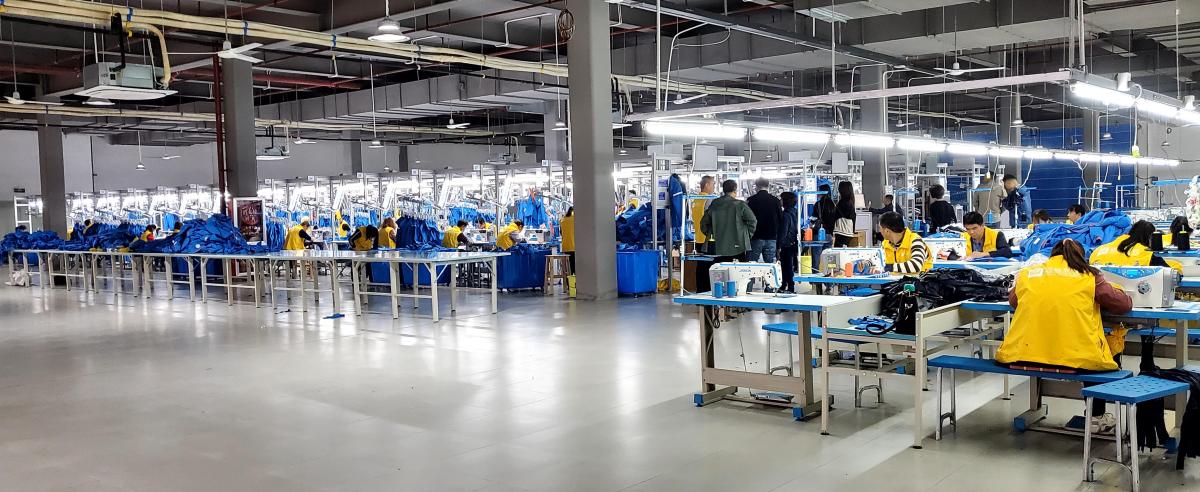
After a product direction is selected, the factory review turns the work environment into garment, component and order checkpoints. These are Pertemba production images—not customer-site application photographs.

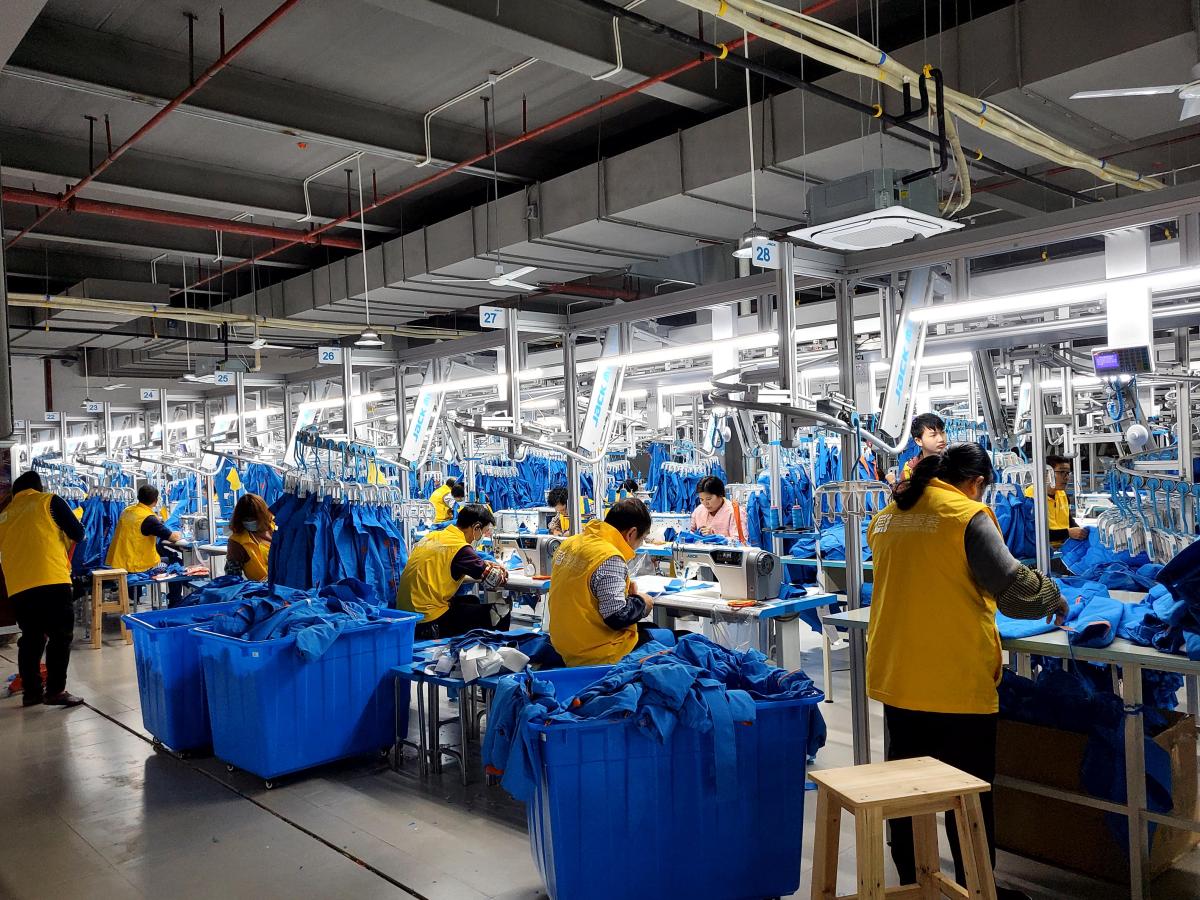
Wide Pertemba garment production floor with sewing stations and high-visibility garments

01 / Garment production

Review the garment structure around the airflow system.

Fabric, fit, fan openings, pocket layout, closures, reflective placement and branding details need to work as one production specification rather than separate catalog choices.

View manufacturing capabilities
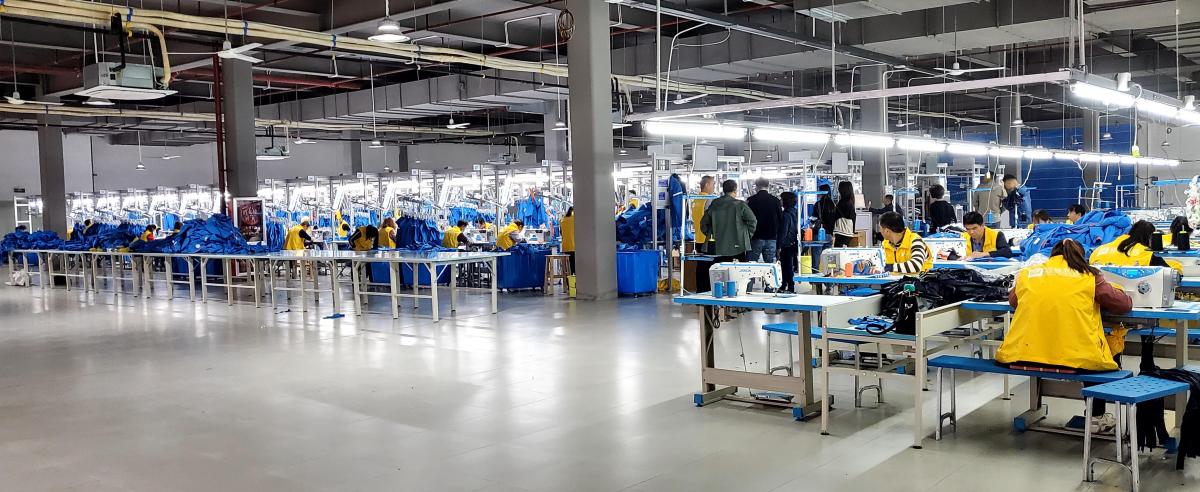
Active Pertemba garment sewing line with operators working on blue and yellow apparel

02 / Sample and quality checkpoints

Define what the sample must demonstrate before scale-up.

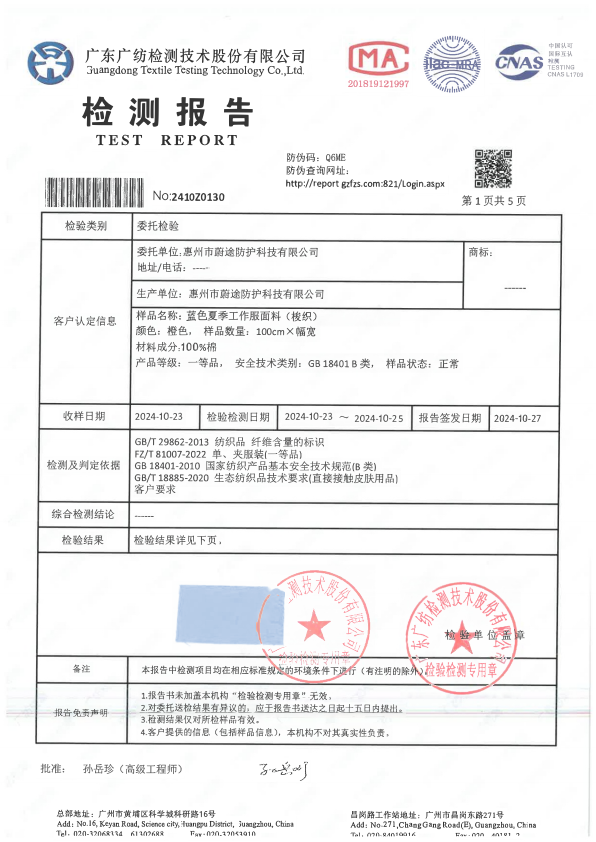
The approval plan can cover construction, measurements, component placement, function, appearance and the project-specific documents buyers need before confirming a bulk order.

Review quality and testing

Buyer questions

Cooling workwear questions to settle before sampling.

These answers define the current evidence boundary and the information needed to move from a catalog reference to a reviewable B2B sample.

Should a buyer start with a cooling vest or a cooling jacket?

Start with the work pattern. A vest keeps the arms unobstructed and can suit frequent reaching or layering. A long-sleeve or hooded jacket adds coverage, but the extra fabric, fit and airflow path must be reviewed around the task, climate and other worn equipment.

What fan and battery information should be confirmed before sampling?

Confirm the exact fan count and placement, voltage, controller, speed settings, battery option, charging arrangement and operating-time test conditions for the selected model. Figures from different configurations should not be combined into one performance claim.

Does reflective trim mean a garment meets a high-visibility safety standard?

No. Reflective colors or bands visible in a product image do not prove compliance with a particular standard. Buyers should state the target market, worksite rule and required documentation so the proposed material and garment configuration can be checked.

Can cooling workwear be specified for construction workers?

Yes, a cooling vest for construction workers or a jacket direction can be evaluated, but the brief should include required visibility, tool and harness interaction, snag risk, PPE layering, component restrictions and the movements performed on site.

Is fan-assisted clothing the same as air conditioning?

The phrase air conditioned workwear is often used for fan-assisted garments, but the system circulates ambient air inside the garment. Cooling experience depends on the environment, activity, fit, fabric, openings and selected fan-and-power package, so a fixed temperature reduction should not be assumed.

What should be included in a B2B sample request?

Share the use environment, garment form, size range, expected quantity, color and branding direction, fan and power preference, required pockets or visibility features, target-market documents and the tests or evidence your team will use to approve the sample.

Build a reviewable brief

Describe the job, then confirm the garment and power package.

Share the working environment, movement, coverage, site rules, expected quantity and evidence your team requires. Pertemba can then review a current model or a custom direction without assuming an unverified cooling result, runtime or compliance claim.

Factory and evidence

Connect the workwear brief to production and sample-specific evidence.

See the factory workflow behind garment sampling, then review supplied testing records to identify which fabric, garment and target-market questions still need to be matched to the selected cooling-workwear configuration.

We use only necessary browser storage to remember privacy preferences and support core site functions.