Material decision guide
Recycled polyester vs cotton: compare the garment specification, not just the fiber name
Recycled cotton and recycled polyester begin with different feedstock claims and can support different garment directions. The useful comparison defines percentages, fabric construction, hand feel, decoration, testing and traceability for the exact sample.
Direct answer
Neither recycled cotton nor recycled polyester is the automatic best choice. Select the fiber direction by the exact blend, fabric construction, garment use, decoration, testing and traceability required.
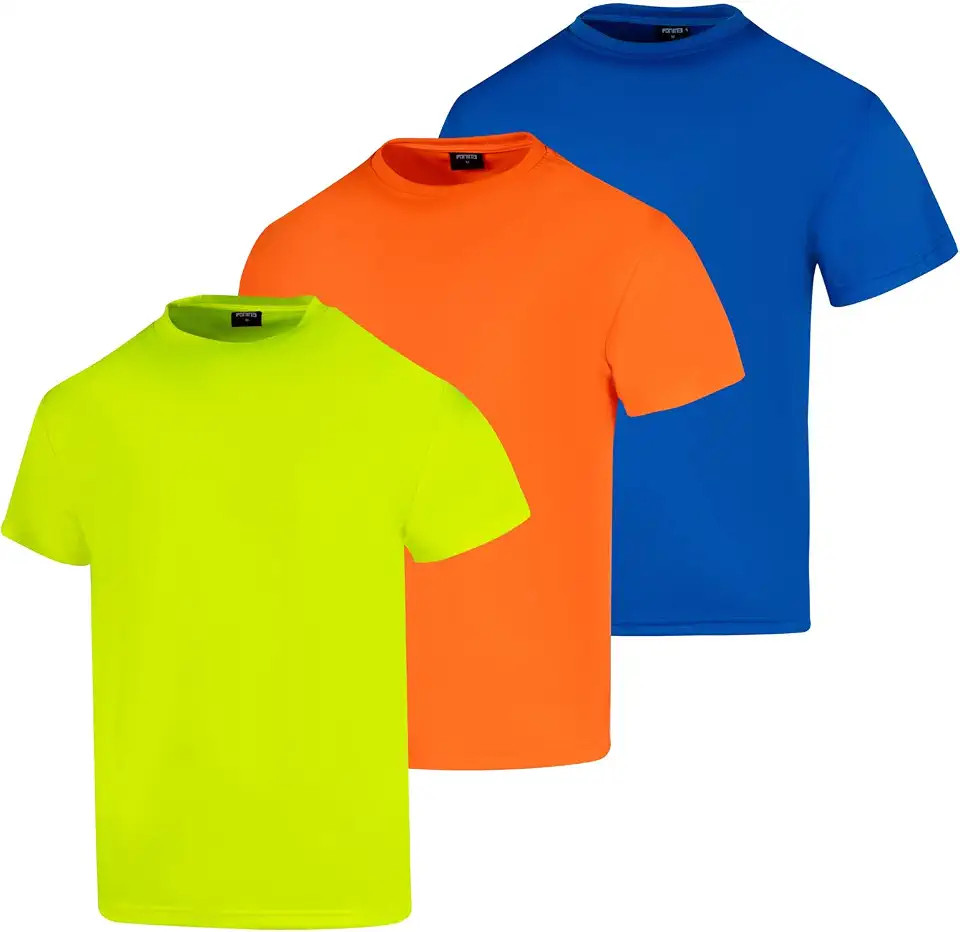
01 / Starting claim
Recycled cotton and recycled polyester start from different feedstock claims
The words describe a claimed material origin, not a complete garment specification. Use the recycled material apparel collection to compare real product forms while keeping each claim attached to its own record.
Do not convert fiber names into unsupported environmental rankings. A sourcing decision still needs traceability, composition and sample evidence.
02 / Fabric brief
Specify fiber percentages, blends, fabric structure and garment form
| Decision | Recycled cotton direction | Recycled polyester direction |
|---|---|---|
| Composition | State the recycled-cotton percentage and every other fiber | State the recycled-polyester percentage and every other fiber |
| Fabric | Define knit or woven structure, weight and finish | Define structure, weight, finish and lining where used |
| Garment | Review T-shirt, hoodie or other approved form | Review hoodie, fleece or jacket construction by model |
One current reference is a 60/40 recycled-cotton blend T-shirt. Another combines organic cotton and recycled polyester in a pullover hoodie direction. These examples do not establish a range-wide blend.
03 / Sample targets
Test hand feel, moisture behavior, durability and appearance on samples
Translate broad goals into measurable acceptance points for the selected fabric and garment. Review weight, surface, drape, dimensional stability, pilling, color and care under the intended use conditions.
For outerwear, compare those requirements with the construction shown by the recycled polyester hooded outdoor jacket.
04 / Branding
Printing, embroidery, trims and color consistency belong in the material decision
Decoration can change hand feel, stretch, weight and visual consistency. Define artwork, placement, stitch density, labels, trims, packaging and approval samples as part of the recycled apparel brand program.
05 / Traceability
Certificate scope and product-level composition evidence must match
A certificate option or supplier statement is not automatically proof for every order. Review the named organization, material, transaction or product scope, validity and connection to the final sample. The recycled-content evidence guide explains how to keep public claims within that boundary.
06 / Selection
Choose a recycled fiber direction with a buyer checklist
- Exact fiber percentages and claim wording
- Fabric structure, weight and finish
- Garment form, fit and care
- Decoration, trims and packaging
- Sample tests and acceptance criteria
- Traceability and certificate scope
Use the broader guide to specifying clothes made from recycled material when building the complete sourcing brief.
Buyer FAQ
Questions about recycled cotton and recycled polyester
Is recycled cotton better than recycled polyester?
There is no universal winner for every garment program. Buyers should compare the feedstock claim, blend, fabric construction, intended performance, decoration, care and evidence required for the exact product.
Can recycled cotton and recycled polyester be blended?
Yes, a product may combine recycled cotton with polyester or other fibers. The approved specification must state the exact percentages and the evidence that supports each material claim.
Does a material name prove recycled content?
No. A product title or material name is not a complete traceability record. Confirm the composition, supplier documentation, certificate scope where applicable and the final approved sample.
Turn material names into evidence
Build the complete recycled-apparel brief
Move from a fiber comparison to product forms, claim evidence and a brand-program approval process.
Product family
Compare recycled apparel forms
Review T-shirts, hoodies, fleece and outerwear as separate specifications.
Evidence guide
Check recycled-content claim support
Match composition, traceability and certificate scope to the exact order.
Application guide
Plan a corporate apparel program
Connect fabric selection with decoration, labels, packaging and approvals.
Build the material brief
Compare fibers through the exact garment specification
Share the garment form, composition target, fabric, decoration, quantity, target market and evidence requirements.