Cooling-system comparison
Thermoelectric vs compressor cooler: compare the cooling path and product format
Thermoelectric modules and compressor refrigeration move heat through different systems. A useful buyer comparison also covers ventilation, power connection, ambient conditions, load, noise, orientation, maintenance and the exact product form.
Direct answer
Thermoelectric coolers move heat through a solid-state module, while compressor coolers use a refrigerant circuit. Compare them with the exact power, ventilation, load, ambient and product-format conditions stated.
01 / Mechanism
Thermoelectric modules and compressor refrigeration use different cooling paths
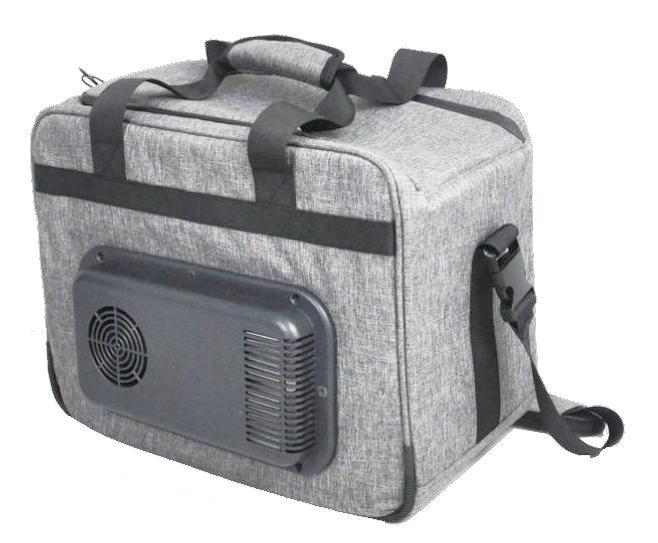
A thermoelectric module creates hot and cold sides when powered, so the product must move heat away from the hot side. The thermoelectric cooler guide explains that module, fan and insulation path.
A compressor cooler uses a refrigerant circuit. That mechanism is a comparison category here, not a claim that Pertemba currently supplies compressor equipment.
02 / Operating conditions
Heat rejection, ventilation and ambient conditions affect both comparisons
Cooling performance cannot be separated from surrounding temperature, ventilation, product placement, initial load temperature, loading pattern and test duration. A blocked vent or hot enclosed vehicle can change the observed result.
Use the electric cooler bag for car guide to define vehicle placement and operating questions.
03 / Electrical brief
Compare power draw, connectors, duty cycle and vehicle-use requirements
Specify the available supply, connector, cable route, fuse expectations, operating duration and whether the vehicle may be parked. Do not transfer electrical figures between system types or samples.
The current thermoelectric cooler-warmer bag is a soft 12V product reference. Its evidence does not establish compressor-cooler power requirements.
04 / Use experience
Noise, portability, orientation and maintenance create practical tradeoffs
| Question | Thermoelectric review | Compressor review |
|---|---|---|
| Sound | Fan and airflow behavior | Compressor cycle and fan behavior |
| Portability | Soft or compact forms may prioritize carrying | Rigid refrigerated formats have different handling needs |
| Maintenance | Inspect fans, vents, cables and insulation | Confirm manufacturer maintenance and refrigerant-system service requirements |
05 / Product boundary
Soft thermoelectric bags and rigid compressor coolers solve different format problems
A soft bag emphasizes carrying, flexible storage and a portable 12V use case. A rigid compressor cooler may prioritize a different refrigeration target, enclosure, weight and installation pattern.
Review the current thermoelectric bag product direction and use the powered cooler buying guide to build the broader requirement list.
06 / Verification
Request test conditions and supplier evidence before comparing results
- Ambient and starting temperatures
- Load type, amount and arrangement
- Supply voltage and connector
- Ventilation and product placement
- Test duration and measurement points
- Exact sample and product format
Without those conditions, temperature, energy or runtime comparisons are not transferable between systems.
Buyer FAQ
Questions about thermoelectric and compressor coolers
What is the main difference between a thermoelectric and compressor cooler?
A thermoelectric system moves heat through a solid-state module and must reject heat from its hot side, while a compressor system uses a refrigerant circuit. Their power, ventilation, form and test conditions should be compared separately.
Does Pertemba supply compressor coolers?
Pertemba currently documents a 12V soft thermoelectric cooler-warmer bag direction. This article does not claim that Pertemba supplies compressor refrigerators or rigid compressor cooler boxes.
Which cooler type is better for a vehicle?
The answer depends on the required product form, power connection, ambient conditions, ventilation, load, noise, orientation and verified test results. Compare the exact sample rather than choosing by mechanism name alone.
Compare under stated conditions
Turn the mechanism comparison into a product brief
Start with the operating principle, then define the vehicle environment, product form, power connection and evidence needed.
Technical guide
Review the thermoelectric heat path
See how the module, fan, insulation and ambient conditions interact.
Application guide
Define the vehicle-use conditions
Plan placement, ventilation, connector access, load and operating time.
Buyer guide
Build the complete cooler requirement list
Separate usable capacity, portability and test evidence from mechanism labels.
Define the operating test
Compare the product form under stated conditions
Share the vehicle, power supply, load, ambient conditions, carrying format, operating duration and evidence requirements.